I’ve often watched B2B buyers struggle with evolving eco-standards. They fear that failing to offer greener options may erode customer trust and market competitiveness.
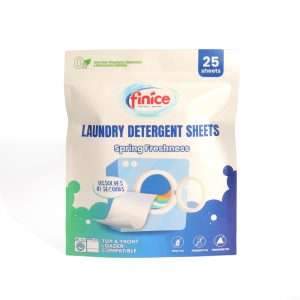
Yes. Laundry detergent sheets often use biodegradable ingredients, reduce packaging waste, and cut transportation emissions, making them a more eco-friendly choice compared to traditional detergents.
I remember working with a distributor who hesitated to switch, but once he embraced detergent sheets, his clients noticed the difference—lighter shipments, simpler recycling, and fewer complaints about residues.
Why Should B2B Buyers Care About Eco-Friendliness in Laundry Solutions?
As regulatory pressure and consumer awareness grow, B2B buyers must adapt. They understand that greener products can protect brand reputation and drive long-term loyalty.
By choosing eco-friendly laundry solutions, B2B buyers meet rising environmental expectations and enhance their positioning in an increasingly conscious marketplace.

Dive Deeper: The Stakes for B2B Stakeholders
I spoke with a retail manager who noticed an uptick in customers asking about product origins and packaging materials. Implementing more sustainable options helped him navigate regulations, impress buyers, and open new distribution channels.
| Factor | Benefit to B2B Buyers |
|---|---|
| Regulatory Compliance | Avoid penalties, simplify audits |
| Consumer Trust | Build brand loyalty, encourage repeat sales |
| Market Differentiation | Stand out in crowded segments |
What Environmental Advantages Do Laundry Detergent Sheets Offer?
Laundry sheets typically use concentrated formulas that dissolve fully, leaving fewer pollutants in water systems. Unlike bulky liquids or powders, they minimize resource consumption.
These sheets streamline the supply chain—from reduced raw material use to lower carbon footprints—contributing to healthier ecosystems and more sustainable business practices.

Dive Deeper: Full Lifecycle Assessment
One supplier I knew conducted a lifecycle analysis. He discovered that sheets required fewer transport trucks and less storage space, cutting fuel consumption and emissions along the way.
Key Eco-Benefits
- Less packaging volume
- Lower shipping weight
- Reduced water waste in production
How Do Ingredients and Formulations Impact Sustainability?
Plant-based or readily biodegradable ingredients break down naturally, protecting soil and aquatic life. These formulations avoid phosphates and harsh chemicals that linger in the environment.
Cleaner ingredient profiles help maintain ecosystems, ensuring that wastewater from laundry cycles is easier to treat and less harmful overall.
Dive Deeper: Ingredient Transparency
A brand owner I once met was initially skeptical of plant-based formulas. After testing samples, he found no drop in cleaning power—just cleaner ingredient lists and happier, more informed customers.
| Ingredient Type | Environmental Impact |
|---|---|
| Plant-Based Surfactants | Biodegradable, minimal residue |
| Enzyme Boosters | Targeted stain removal, gentler on water systems |
| Fragrance Options | Reduced synthetic compounds, fewer irritants |
Are Packaging and Logistics Part of the Eco Equation?
Absolutely. Replacing bulky jugs or boxes with thin, lightweight sheets drastically cuts packaging waste. This reduces plastic usage and cardboard materials, streamlining recycling.
By rethinking packaging and transport, B2B buyers can reduce storage costs and emissions, improving their carbon footprint while optimizing overall supply chain efficiency.
Dive Deeper: Sustainable Supply Chain Management
I recall a wholesaler who negotiated lower freight costs after switching to sheets. With less packaging and lighter loads, he improved margins and easily met sustainability targets.
Packaging Considerations
- Use of recycled or FSC-certified paper
- Minimal ink and dyes for easier recyclability
- Compact storage reduces warehouse energy needs
Can B2B Buyers Ensure Quality and Compliance Without Sacrificing Values?
Yes. Independent certifications, third-party testing, and transparent supplier relationships ensure that eco-friendly sheets meet performance standards and align with regulatory guidelines.
Maintaining open dialogue with manufacturers, reviewing certifications, and continuously testing product batches helps buyers uphold quality while advancing sustainability goals.
Dive Deeper: Building Trust Through Verification
I remember a trader who demanded detailed documentation from suppliers. This diligence built confidence among retailers and final consumers, proving that greener didn’t mean weaker.
Steps to Ensure Compliance
- Request safety data sheets and lab reports
- Verify eco-certifications like EPA Safer Choice or EU Ecolabel
- Perform regular quality checks and audits
How to Introduce Eco-Friendly Sheets into Existing Portfolios?
Gradual integration often works best. Buyers can start with a test run, gather feedback, and then scale up if results are positive. Marketing efforts can highlight environmental credentials to attract conscious customers.
By positioning these sheets as a premium, responsible choice, B2B buyers can capture new market segments and strengthen their brand’s green narrative.
Dive Deeper: Strategic Rollout
A distributor I knew tested a small batch in select stores. Encouraged by strong sales and positive reviews, he expanded the offering, enhancing his brand’s reputation for eco-innovation.
| Action Steps | Outcome |
|---|---|
| Pilot Launch | Collect feedback, refine strategy |
| Highlight Certifications | Build trust with consumers |
| Scale Gradually | Meet demand without overcommitting |
Conclusion
Choosing laundry detergent sheets can enhance environmental performance, reduce long-term costs, and satisfy growing consumer demand for sustainable solutions. By embracing these eco-friendly options, B2B buyers ensure that their businesses remain competitive, responsive to market shifts, and aligned with evolving global standards.