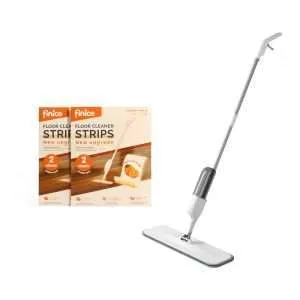
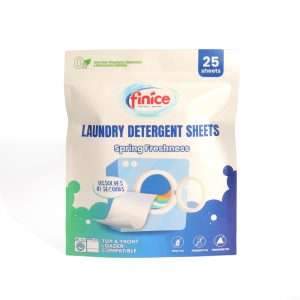
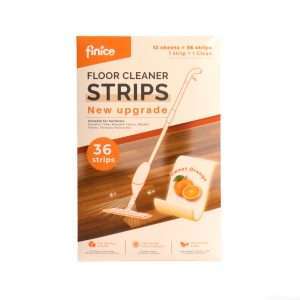
A cleaning sheet refill kit is a system, not just a bottle sold beside a dry product. The bottle capacity, sheet formulation, refill quantity and printed directions must work together. A mismatch can leave customers uncertain about what to buy again or how to prepare the cleaner.
For private label buyers, the first approval should therefore cover both the starter kit and the repeat purchase. Designing the refill experience early helps avoid a range that looks coherent on a shelf but becomes confusing at home.

Define the starter kit and refill as separate SKUs
List exactly what is included in each pack. The starter kit may contain a bottle and cleaning sheets; the refill should identify which bottle or product system it is intended for. Do not assume that matching colors or a shared brand name communicate compatibility.
Keep the intended application explicit. A kitchen cleaner refill should not be presented as interchangeable with a bathroom or floor formula unless that use has been established for the exact product and instructions.
Confirm the bottle’s usable fill volume
A bottle’s total capacity is not necessarily the quantity of water a consumer should add. Agree the preparation method with the supplier and verify that the marked fill level matches the supported directions. Account for the practical steps the user must perform, including closure and any specified mixing.
Review the bottle, trigger and solution together. A bottle that holds water is not automatically suitable for every prepared cleaner. Ask for compatibility information for the actual formulation and components rather than accepting a generic bottle description.
| System element | Approval question | Record |
|---|---|---|
| Bottle | Does the fill marking match the directions? | Drawing, usable volume and sample version |
| Trigger or closure | Is it suitable for the prepared product? | Component reference and compatibility review |
| Cleaning sheet | Which portion prepares one intended refill? | Formula, sheet definition and supported dose |
| Refill pack | Can customers identify the correct system? | SKU, artwork and compatible-kit wording |
| Repeat use | Are preparation and bottle-care directions clear? | Approved instructions for the complete cycle |
Test comprehension before launching the refill
Give an unfamiliar reader the starter pack and refill pack. Ask which products belong together and how they would prepare a refill. Record the amount of water and number of portions they select. If interpretations differ, improve the instructions before approving the artwork.
Evaluate the process with representative samples under the supported conditions. Observe opening, portion removal, preparation, closure, spraying and storage. A successful loose-sheet demonstration does not test the entire kit.
Explain repeat use without encouraging mixing
The consumer needs to know what to do before preparing another refill, using directions validated for the product and bottle. Do not advise topping up old solution with a different cleaner or mixing products to create a stronger formula.
Any claim about how long a prepared solution can be kept must be supported for the actual formulation and container. The storage period of the dry refill cannot simply be copied onto the mixed product.
Make the repeat purchase recognizable
Keep compatibility information visible on the refill’s front or another obvious panel. Check the same information on the online listing and in product photographs. If the bottle design changes, decide how existing users will identify a suitable refill.
Consider customer-support questions as part of the launch review: which bottle do I have, how many refills does this pack provide, and what does one portion mean? A clear answer should not require the customer to contact the manufacturer.
Support environmental wording with the actual system
A reusable bottle or compact refill format does not by itself establish a quantified environmental saving. If a comparison is proposed, define the baseline, packaging components and intended number of uses, then obtain evidence appropriate to that claim.
Keep practical benefits such as storage format separate from unverified claims about recyclability, biodegradability or waste reduction. The product description should remain accurate in the destination market.
Request complete-system samples
Browse Finice’s cleaning product range and request starter-kit and refill samples together. Include the intended application, bottle format, sales channel and languages. Approving both purchases at once helps build a product range that customers can understand and use consistently.