When selecting laundry aids for commercial or retail purposes, businesses frequently encounter the important question: dryer balls vs dryer sheets—which offers better value and performance? Understanding their respective functions, effectiveness, and market advantages can significantly impact your product lineup and customer satisfaction.
This guide provides a detailed comparison, assisting B2B buyers in confidently choosing between Wool Dryer Balls and Dryer Sheets, while addressing common questions like "do dryer balls work?", "how do dryer sheets work?", and exploring their purposes and market preferences.
What Are Dryer Sheets and How Do Dryer Sheets Work?
Dryer sheets are softening agents infused into thin, nonwoven sheets typically made from polyester or biodegradable fibers. Designed for single-use, their main functions are reducing static cling, softening clothes, and providing fragrance during drying.

Dryer Sheets Purpose:
- Reduce static electricity: Ingredients in sheets neutralize static charges on fabrics.
- Soften fabrics: Condition fibers to improve softness.
- Provide fragrance: Leave pleasant scents on laundry items.
Ingredients Commonly Found in Dryer Sheets:
- Quaternary ammonium compounds (softeners, static reducers)
- Essential oils or synthetic fragrances
- Fatty acids (fabric conditioning)
How do dryer sheets work?
Heat during drying activates sheets, releasing softeners and fragrances evenly onto clothes, thus reducing static cling and enhancing softness.
What Are Dryer Balls and How Do Dryer Balls Work?
Dryer balls are reusable spheres, typically made from wool or plastic, designed to enhance drying efficiency and fabric softness. Unlike dryer sheets, dryer balls soften fabrics mechanically without chemicals, appealing to eco-conscious customers.

Dryer Balls Purpose:
- Speed drying times: Separate garments for better airflow, reducing drying time.
- Reduce static and wrinkles: Tumbling action minimizes static and wrinkles.
- Natural softening: Gently softens fabric fibers mechanically.
Materials Used for Dryer Balls:
- Wool Dryer Balls: Usually crafted from organic wool, providing hypoallergenic and sustainable benefits.
- Plastic Dryer Balls: Typically reusable but made from synthetic materials.
How do dryer balls work?
Dryer balls mechanically separate fabrics in the dryer, improving airflow, speeding drying times, and naturally reducing static without chemical additives.
Dryer Balls vs Dryer Sheets: Key Differences and Comparison
The essential comparison of dryer balls vs dryer sheets includes effectiveness, environmental impact, reusability, and suitability for sensitive skin.
| Feature | Dryer Sheets | Dryer Balls |
|---|---|---|
| Reusability | Single-use | Reusable (up to 1,000 loads) |
| Softening Method | Chemical coating | Mechanical, chemical-free |
| Drying Efficiency | Minimal impact on drying time | Reduces drying time by 20-30% |
| Environmental Impact | Varies (some biodegradable, others synthetic) | Eco-friendly (especially wool) |
| Cost Efficiency | Regular repurchase | Higher initial, lower lifetime cost |
| Skin Sensitivity | May contain irritants | Hypoallergenic (wool variant) |

Do Dryer Balls Work Effectively?
A frequent B2B query is, "do dryer balls work?" Dryer balls are indeed effective, cutting drying times by 20-30%, thus reducing energy costs. Commercial laundry facilities report up to 25% lower energy consumption after switching to wool dryer balls (EPA, 2023).
Market Data:
- Dryer ball sales grew by 22% over the past three years due to increasing eco-conscious consumer demand (MarketWatch, 2024).
Wool Dryer Balls vs Dryer Sheets: Environmental and Health Impact
When considering environmental and health impacts between wool dryer balls and dryer sheets, both have eco-friendly variants suitable for sustainability-focused brands:
Environmental Considerations:
Dryer Sheets (Eco-friendly versions available):
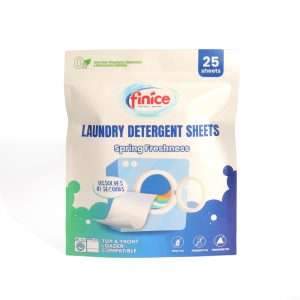
- Many brands, such as Finice Dryer Sheets, utilize biodegradable materials, significantly reducing environmental impact.

Wool Dryer Balls:
- Fully biodegradable and reusable for over 1,000 cycles.
- Renewable and sustainable, reducing product waste significantly.
Health and Skin Sensitivity:
Dryer Sheets (Sensitive skin options available):
- Available in hypoallergenic, fragrance-free versions ideal for sensitive consumers.
Wool Dryer Balls:
- Naturally hypoallergenic, fragrance-free, suitable for sensitive skin and allergy sufferers.
Consumer Preferences and Market Trends
Today’s consumers increasingly prioritize sustainable products with natural ingredients:
- Approximately 67% prefer products labeled as eco-friendly (Nielsen, 2024).
- Dryer balls and eco-friendly dryer sheets are becoming popular due to heightened awareness around environmental issues and skin sensitivities (Euromonitor, 2024).
Which is Right for Your Business: Dryer Balls or Dryer Sheets?
The choice between dryer balls vs dryer sheets depends on your target market, sustainability goals, and brand positioning:
| Business Scenario | Recommended Option | Reasons & Benefits |
|---|---|---|
| Eco-friendly brands | Wool Dryer Balls, Eco-friendly Dryer Sheets | Appeal to sustainability-conscious consumers |
| Commercial laundry facilities | Wool Dryer Balls | Cost-efficient, energy-saving, reusable |
| Hotels & healthcare | Hypoallergenic Dryer Sheets, Wool Balls | Reduce allergy risks, suitable for sensitive skin |
| General retail | Dryer Sheets (variety of scents) | Fragrance options, customer familiarity |
Frequently Asked Questions (PPA):
Can You Use Dryer Sheets and Dryer Balls Together?
While possible, it is typically unnecessary. Dryer balls alone efficiently handle static reduction and fabric softening, and adding sheets is usually redundant.
Do Dryer Balls Damage Clothes?
No, dryer balls are gentle on fabrics. Their mechanical action actually protects clothes from excessive friction, reducing overall fabric wear.
How Long Do Dryer Balls Last?
High-quality wool dryer balls generally last up to 1,000 loads or around 2-4 years, providing excellent long-term value.
Recommended Manufacturers for Dryer Balls and Dryer Sheets (B2B):
- Premium organic wool, hypoallergenic, reusable for over 1,000 loads.
- Sustainable, eco-conscious packaging, excellent for sensitive skin.
Finice Eco-Friendly Dryer Sheets:
- Biodegradable sheets, fragrance-free, sensitive skin-friendly.
- Environmentally safe, suitable for hospitality, healthcare, and eco-friendly brands.
Bounce Dryer Sheets (Procter & Gamble):
- Well-known market presence, effective static control, multiple fragrance options.
Ecoigy Wool Dryer Balls:
- Handcrafted wool balls, sustainable sourcing, eco-friendly consumer appeal.
Snuggle Dryer Sheets (Henkel):
- Popular budget-friendly choice, effective odor elimination, softening performance.
Conclusion
When choosing between Wool Dryer Balls and Dryer Sheets, businesses should consider their brand positioning, target market preferences, and sustainability goals. Both options can be effectively integrated into your product range, addressing varied consumer demands for eco-friendliness, convenience, fragrance options, and cost-effectiveness.
Understanding each product’s strengths and features allows brands and commercial laundry services to deliver value-driven, customer-aligned solutions, reinforcing long-term success and market competitiveness.