In an era where environmental concerns are at the forefront, adopting an environmentally friendly lifestyle is more crucial than ever. By making conscious choices in our daily lives, we can significantly reduce our ecological footprint and contribute to a healthier planet. This guide provides practical steps on how to live more eco-friendly, drawing insights from reputable sources and recent studies.
Understanding Environmentally Friendly Living
Environmentally friendly living, also known as sustainable living, involves making choices that reduce one’s impact on the environment. This encompasses various aspects of daily life, including energy consumption, waste management, transportation, and dietary habits. The goal is to minimize resource depletion and environmental degradation while promoting a balanced and healthy lifestyle.
How to Live More Eco-Friendly: Practical Tips
1. Reduce Single-Use Plastics
Single-use plastics contribute significantly to environmental pollution. Opt for reusable alternatives such as cloth shopping bags, stainless steel water bottles, and glass food containers. This simple switch can drastically reduce plastic waste in landfills and oceans.

2. Embrace Sustainable Transportation
Transportation is a major source of greenhouse gas emissions. Consider walking, cycling, carpooling, or using public transportation whenever possible. For longer distances, explore options like electric vehicles or offsetting carbon emissions through certified programs.

3. Adopt a Plant-Based Diet
Shifting towards a plant-based diet1 can significantly lower your carbon footprint. Reducing meat and dairy consumption not only benefits the environment but also promotes better health. Start by incorporating more vegetables, legumes, and whole grains into your meals.

4. Conserve Energy at Home
Energy conservation reduces both environmental impact and utility bills. Implement measures such as using LED lighting, unplugging electronics when not in use, and investing in energy-efficient appliances. Additionally, consider installing programmable thermostats to optimize heating and cooling.

5. Practice Water Conservation
Water is a precious resource. Fix leaks promptly, install low-flow fixtures, and use water-efficient appliances. Collecting rainwater for gardening and landscaping can also contribute to water conservation efforts.

6. Support Sustainable Fashion
The fashion industry is a significant contributor to environmental degradation. Choose clothing made from sustainable materials, buy second-hand, and support brands committed to ethical practices. Extending the life of your garments through proper care and repair also reduces waste.

7. Reduce Food Waste
Plan meals, store food properly, and utilize leftovers to minimize food waste. Composting organic waste not only reduces landfill contributions but also enriches soil health.

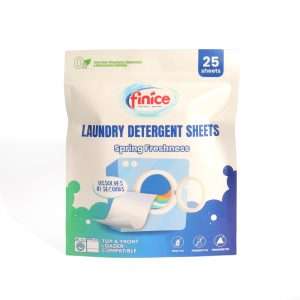
8. Choose Eco-Friendly Cleaning Products
Many conventional cleaning products contain harmful chemicals. Opt for environmentally friendly cleaning products that are biodegradable and free from toxic substances. These alternatives are safer for both your health and the environment.

The Broader Impact of Sustainable Living
Individual actions, when multiplied across communities, can lead to substantial environmental benefits. By adopting eco-friendly habits, we not only protect natural resources but also set a positive example for others. Moreover, sustainable living often leads to healthier lifestyles and can result in financial savings over time.
Conclusion
Embracing environmentally friendly living is a continuous journey that involves making mindful choices in various aspects of daily life. By implementing the practical steps outlined above, you can contribute to a more sustainable future for our planet. Remember, every small action counts, and collectively, our efforts can lead to significant positive change.
Footnote
Learn about the environmental benefits of adopting a plant-based diet and its role in sustainability. ↩