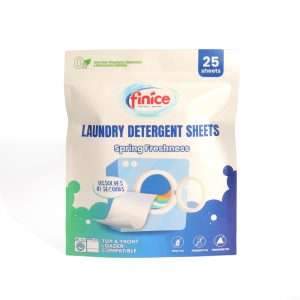
I once managed a large laundry facility that struggled to keep linens smelling fresh after multiple washes. Switching to enzyme-based laundry detergents transformed their cleaning process, delivering exceptional results consistently.
Enzyme-based laundry detergents1 offer superior stain removal and fabric care, making them ideal for high-volume B2B operations. They enhance cleaning efficiency, reduce costs, and support sustainable practices.
A distributor shared their success after switching to our enzyme laundry additives. They noticed fewer customer complaints and increased repeat orders. Let me delve into why enzyme-based detergents are a game-changer for B2B laundry solutions.

Dive deeper:
Enhanced Stain Removal
Our enzyme-based detergents target specific stains like proteins, fats, and carbohydrates. Enzymes such as protease, lipase, and amylase work synergistically to dismantle complex stains, making them easier to remove during the wash cycle.
Cost Efficiency
By using enzyme detergents, businesses can reduce the overall amount of detergent needed per load. This not only lowers product costs but also minimizes the environmental impact by decreasing chemical usage.
Consistent Performance
Enzyme-based detergents maintain their effectiveness across multiple washes. Unlike some traditional detergents that degrade over time, our enzyme formulations ensure long-lasting cleaning power, ideal for continuous, high-volume use.
Do enzyme detergent laundry products benefit the environment?
Sustainability is a top priority for many B2B clients. Enzyme detergent laundry products align perfectly with eco-friendly initiatives.
Enzyme detergent laundry products are better for the environment as they reduce the need for harsh chemicals and lower the overall ecological footprint of laundry operations.

Dive deeper:
Reduced Chemical Usage
Enzymes are biodegradable and break down naturally in the environment. This reduces the reliance on synthetic chemicals that can harm aquatic life and ecosystems.
Lower Energy Consumption
Enzyme detergents are effective in lower temperatures, which means businesses can save on energy costs by washing at cooler settings without compromising cleaning quality.
Minimal Packaging Waste
Many enzyme detergents come in concentrated forms or eco-friendly packaging. This minimizes plastic waste and supports sustainable packaging practices, appealing to environmentally conscious businesses.
What makes enzyme laundry additives essential for B2B clients?
Integrating enzyme laundry additives into your detergent line can significantly enhance your service offerings and operational efficiency.
Enzyme laundry additives provide targeted cleaning solutions, improve fabric care, and support sustainable practices, making them indispensable for B2B clients seeking high-performance laundry solutions.

Dive deeper:
Targeted Cleaning Solutions
Different enzymes target specific types of stains and soils. This customization allows businesses to address a wide range of laundry needs efficiently, from greasy uniforms to delicate linens.
Improved Fabric Care
Enzymes help maintain fabric integrity by breaking down stains gently without damaging fibers. This extends the lifespan of textiles, reducing replacement costs and waste.
Enhanced Sustainability
By integrating enzyme additives, businesses can offer greener laundry solutions. This not only meets regulatory requirements but also attracts clients who prioritize environmental responsibility.
How do enzymes for laundry work to enhance cleaning?
Understanding the science behind enzymes can help businesses optimize their laundry processes for better results.
Enzymes for laundry act as biological catalysts that break down specific types of stains and soils, enhancing the overall cleaning efficiency and effectiveness of detergents.

Dive deeper:
Types of Enzymes
- Protease: Breaks down protein-based stains like blood and food.
- Lipase: Targets fat and oil-based stains, making them easier to wash away.
- Amylase: Dismantles carbohydrate stains such as sauces and syrups.
- Cellulase: Removes microscopic fibers and pilling, restoring fabric softness and color.
Synergistic Effects
When combined, these enzymes work synergistically to tackle a wide array of stains simultaneously. This multi-faceted approach ensures thorough cleaning without the need for excessive detergent or high-temperature washes.
Optimal Conditions
Enzyme detergents are designed to function efficiently at lower temperatures and neutral pH levels. This not only conserves energy but also protects sensitive fabrics from damage, maintaining their appearance and longevity.
Why choose laundry detergent with cellulase for your business?
Cellulase is a powerful enzyme that offers unique benefits for commercial laundry operations.
Laundry detergent with cellulase enhances fabric appearance by removing micro-fibers and pilling, resulting in smoother, brighter textiles that appeal to high-end clients.
Dive deeper:
Fabric Softening
Cellulase breaks down cellulose fibers, which helps remove pilling and maintain the smoothness of fabrics. This is particularly beneficial for maintaining the quality of uniforms, linens, and other high-use textiles.
Color Brightening
By removing micro-fibers and preventing color fading, cellulase helps keep fabrics looking vibrant and new. This extends the aesthetic lifespan of garments and linens, reducing the need for frequent replacements.
Energy and Cost Savings
Cellulase operates effectively at lower temperatures, allowing businesses to save on energy costs while still achieving excellent cleaning results. Additionally, the enzyme’s efficiency can lead to reduced detergent usage, further lowering operational expenses.
Conclusion
Enzyme-based laundry detergents are a powerful addition to any B2B laundry solution. They deliver superior cleaning performance, enhance fabric care, and support sustainable practices. As a manufacturer, I believe that integrating enzyme detergents into your offerings can elevate your business operations, satisfy your clients, and contribute to a healthier planet.
Footnotes
Explains what enzyme-based laundry detergents are, detailing their components and mechanisms in cleaning. ↩