Enzymes play a crucial role in modern detergents. They break down tough stains like proteins, starches, and oils, making laundry simpler and more efficient. Below is a closer look at different enzyme detergent brands—both liquid enzyme detergent brands and their powder counterparts—along with key enzyme blends, introductions, features, and who they’re best suited for.
Why Are Enzymes Important in Detergents?
Enzymes are protein catalysts that target specific stain molecules:
- Protease: Tackles protein-based stains such as blood, grass, and sweat.
- Amylase: Breaks down starches like pasta sauce or baby food spills.
- Lipase: Targets oil and grease stains from cooking or cosmetics.
- Cellulase: Helps maintain fabric appearance by removing microscopic “pills” and boosting color vibrancy.

Types of Enzymes in Cleaning Products

What is Enzyme Detergent?
Enzyme detergents are cleaning products specifically formulated with biological enzymes, which are proteins that accelerate chemical reactions. Detergents with enzymes effectively target and break down stains like blood, oil, grease, and food residues at a molecular level. This enzymatic action allows for superior stain removal even at lower washing temperatures, making enzymatic laundry detergents an eco-friendly and efficient cleaning solution.
1. Liquid Enzyme Detergent Brands
Liquid detergents generally dissolve quickly and perform well in cold to warm water. Many contain multiple enzyme types for broad stain-fighting abilities. Let’s take a look at the best liquid enzyme laundry detergent:
Tide Plus Ultra Stain Release
Product/Brand Introduction
Tide is a globally recognized laundry brand. The “Plus Ultra Stain Release” variant focuses on tackling stubborn stains with a potent enzyme blend, making it a go-to choice for busy families.
- Enzymes: Protease, Amylase
- Key Features:
- Strong on protein and starchy stains
- Effective in cold water, reducing energy use
- Extra “stain release” boosters for persistent marks
- Best For: Households dealing with common food residues, sweaty workout gear, and toddler messes

Persil ProClean Stain Fighter
Product/Brand Introduction
Persil, originally from Europe, has gained popularity in North America for its deep-clean technology. The “ProClean Stain Fighter” formula is known for its balanced scent and robust enzyme system.
- Enzymes: Protease, Amylase, occasionally Lipase
- Key Features:
- Deep penetration for set-in stains and brightening
- High-Efficiency (HE) compatible
- Popular fresh scent
- Best For: Families needing an all-around heavy-duty detergent that lifts a variety of stains

Seventh Generation Free & Clear Liquid
Product/Brand Introduction
Seventh Generation markets a line of plant-based cleaners. “Free & Clear” is their hypoallergenic option, focusing on gentle, enzyme-powered cleaning without harsh chemicals or fragrances.
- Enzymes: Primarily Protease
- Key Features:
- Hypoallergenic, fragrance-free
- USDA Certified Biobased Product
- Mild on skin yet effective for everyday stains
- Best For: Eco-minded consumers and those with sensitive skin or allergies
Leading Enzyme Detergent Brands: Gentle and Eco-Friendly Options

Bio-Zet Attack Liquid (Asia-Pacific Regions)
Product/Brand Introduction
Bio-Zet Attack, widely available in countries like Australia and parts of Asia, specializes in efficient stain removal through enzyme action. It’s known for quick dissolution and odor control.
- Enzymes: Protease (plus region-specific additions)
- Key Features:
- Quick-dissolving, suitable for short or cold wash cycles
- Targets protein-based stains effectively
- Some variants include antibacterial or odor-fighting properties
- Best For: Households dealing with sports uniforms, gym clothes, or frequent protein-based stains
Popular Enzyme Detergent Brands Powerful and Effective Cleaners

2. Powder and Solid Enzyme Detergent Brands
Powder detergents generally store well in dry conditions and can be cost-effective in bulk. Many powders feature robust multi-enzyme blends to tackle diverse stain profiles.
Arm & Hammer Plus OxiClean Powder
Product/Brand Introduction
Arm & Hammer blends the power of baking soda with OxiClean’s stain-lifting ingredients. This powder is popular in North America for its deodorizing and brightening capabilities.
- Enzymes: Protease, sometimes Amylase (blend can vary)
- Key Features:
- Baking soda helps neutralize odors
- OxiClean adds an oxygen-based stain remover
- Accessible price point for budget shoppers
- Best For: Homes needing a cost-effective solution that handles both stains and odor
Enzyme-Based Cleaning Solutions for Effective Stain Removal

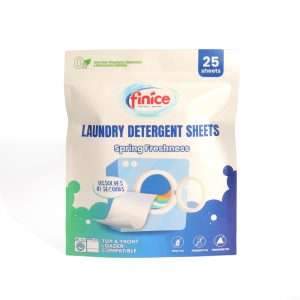
Finice Solid Enzyme Laundry Sheets
Product/Brand Introduction
Finice is a leading innovator in eco-friendly enzyme-based detergent products. Their Solid Enzyme Laundry Sheets are specially formulated using advanced solid enzyme technology, offering powerful stain removal while minimizing environmental impact.
Enzymes: Protease, Lipase, Amylase (Solid Enzyme Blend)
Key Features:
- Utilizes solid-state enzyme technology, provides cleaning power up to 15 times greater than traditional liquid detergents.
- Highly concentrated, eco-friendly formulation.
- Certified vegan and cruelty-free.
Best For: Environmentally conscious consumers, sensitive skin users, and households seeking high-efficiency, low-waste laundry solutions.

Bio-D Non-Bio Washing Powder (UK)
Product/Brand Introduction
Bio-D focuses on ethical sourcing and biodegradable materials. While their “Non-Bio” variant typically avoids enzymes, they offer some enzyme-containing powders in select markets.
- Enzymes: Check label for enzyme variants (standard “Non-Bio” may be enzyme-free)
- Key Features:
- Hypoallergenic, fragrance-free versions
- Eco-friendly packaging and ingredients
- Gentle on skin while still effective on daily dirt
- Best For: Consumers prioritizing ethical production, reduced chemical footprint, and minimal irritants
Eco-Friendly Enzyme-Based Cleaning Solutions for a Greener Future

Ariel Original Powder (EMEA Regions)
Product/Brand Introduction
Ariel is a staple Procter & Gamble brand outside North America. It’s known for color retention, brightening, and an advanced enzyme mix.
- Enzymes: Protease, Amylase, and sometimes Cellulase
- Key Features:
- Excellent for stain removal at varied temperatures
- Brightens and preserves color
- Versions catering to cold washes or short cycles
- Best For: Users desiring a reliable powder that consistently handles set-in stains, especially in warmer wash cycles
Leading Enzyme-Based Laundry Detergent Brands for Effective Stain Removal

3. Specialty Enzymatic Formulations
For niche or more targeted laundry needs, specialized brands or product lines include unique enzyme combinations:
Example Brand: Rockin’ Green Platinum Series Active Wear
Product/Brand Introduction
Rockin’ Green caters to niche markets like cloth diaper care, pet bedding, and athletic garments. The “Platinum Series Active Wear” formula has extended enzyme blends for deep deodorizing.
- Enzymes: Protease, Amylase, Lipase
- Key Features:
- Designed for sports gear, tackling sweat and body oils
- Low-residue formula helps prevent fabric buildup
- Natural, biodegradable ingredients
- Best For: Households and facilities dealing with heavy perspiration (e.g., gyms, sports teams, active families)
Popular Enzyme Laundry Detergent Brands for Active Wear and Stubborn Stains

Choosing the Right Enzyme Detergent
- Stain Profile: Identify the most frequent stain types—oil, protein, starch—to match your enzyme blend.
- Water Temperature & Hardness: Opt for detergents formulated for cold washes if aiming to save energy; consider boosters for hard water.
- Skin Sensitivity: If allergies or sensitivities are a concern, look for hypoallergenic or fragrance-free variants.
- Environmental Impact: Brands with plant-based surfactants, minimal packaging, or eco-certifications may enhance green credibility.
Frequently Asked Questions (FAQs) about Enzyme Laundry Detergents
To further assist your detergent selection process, we’ve answered common queries raised by buyers and users:
Q1. Are enzyme laundry detergents safe for sensitive skin?
Answer:
Yes, enzyme-based detergents can be safe for sensitive skin if formulated without harsh additives such as dyes, fragrances, and optical brighteners. Look for hypoallergenic enzymatic laundry detergents clearly labeled for sensitive skin to minimize irritation risks.
Q2. Can enzyme based detergents be used in cold water washes?
Answer:
Absolutely. Laundry detergents with enzymes are particularly effective in cold water as enzymes function optimally even at lower temperatures, providing powerful stain removal while significantly reducing energy consumption.
Q3. Do enzyme detergents expire?
Answer:
Enzymes can degrade over extended storage, especially in liquid form. However, solid or powdered enzyme detergents, such as enzyme-based detergent sheets, offer greater stability and typically retain their effectiveness longer. Always check the manufacturer’s recommended storage guidelines and expiry dates.
Q4. How do enzyme detergents affect the environment?
Answer:
Enzymatic detergents are environmentally friendly due to their biodegradability and efficiency at lower washing temperatures, reducing energy and water consumption. They also minimize chemical pollution, as enzymes naturally break down into harmless components.
Q5. Are enzyme detergents suitable for commercial laundry services?
Answer:
Yes, enzymatic laundry detergents are highly recommended for commercial laundry operations due to their superior stain-removal capability, cost-effectiveness through lower energy use, and compliance with environmental regulations.
Conclusion
Enzyme detergent brands range widely, from liquid enzyme detergent brands like Tide and Persil to potent powders such as Arm & Hammer Plus OxiClean, Finice or Ariel. Specialty lines like Rockin’ Green address niche concerns like sportswear odor or cloth diapers. When selecting an enzymatic detergent, balancing performance with environmental considerations, cost, and water temperature compatibility is key. By choosing the right enzyme profile—protease for proteins, amylase for starch, lipase for oils—stains are tackled effectively while saving energy through lower-temperature washes.