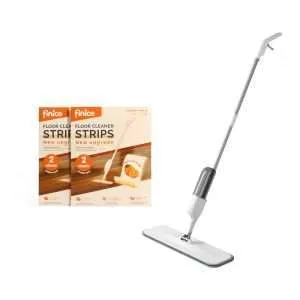
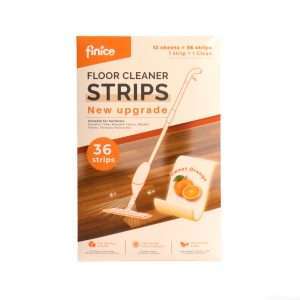
A compact floor cleaning sheet needs precise dilution directions. “Add one sheet to water” leaves a buyer with unanswered questions: how much water, which surface, which cleaning tool and what finish after drying? Those details belong in the product brief before the packaging is approved.
For private label projects, build one agreed usage instruction and test whether an unfamiliar user can follow it. The checklist below is an internal purchasing workflow, not a universal formula or a promise that every floor cleaning sheet suits every surface.

Define the application before the dose
Start with the intended surface and cleaning method. A bucket-and-mop brief is different from a refill-bottle brief. A manually applied solution should not automatically be described as suitable for a robot cleaner or powered machine.
Request the exact supplier directions, material compatibility information and restrictions. Check them against the floor and equipment manufacturer’s guidance. Where compatibility has not been established, avoid a broad “all floors” or “all machines” claim.
Connect each sheet to a measurable water volume
Write the proposed direction with a defined sheet or portion and a defined water quantity. Confirm whether the user must wait, mix or follow a particular order of addition. The final wording should come from the validated product directions, not from a generic ratio borrowed from another cleaner.
If a perforated sheet is used, define whether one dose means a full sheet or one section. Show the actual portion on the pack so a user does not accidentally double it. Keep the same unit terminology on the carton, listing and instruction leaflet.
| Instruction element | Buyer check | Evidence to retain |
|---|---|---|
| Sheet or portion | Can users identify one dose? | Photograph and physical sample |
| Water quantity | Can it be measured with the intended container? | Container capacity and fill guidance |
| Preparation | Are sequence, mixing and waiting directions clear? | Observed preparation notes |
| Application | Are surface and tool restrictions stated? | Approved application brief |
| After cleaning | Are rinsing and drying directions clear? | Evaluation of the final surface finish |
Assess the result after the floor dries
A wet surface can look different from a fully dried one. Evaluate cleaning and visible finish at the same stage for every sample. Record streaks, haze or residue using consistent lighting and representative surfaces approved for the product.
Control the water, soil, application quantity and cleaning tool. Use fresh or consistently prepared mop material so leftover cleaner from a previous trial does not distort the comparison. Repeat the procedure before approving a result from a single demonstration.
Keep normal use separate from misuse checks
First evaluate the intended directions. If the team also examines a foreseeable dosing mistake, keep that result separate and agree a suitable assessment with the supplier. Do not convert an informal trial into a recommendation to exceed the label dose.
Never suggest mixing the prepared solution with another cleaner. Any statement about storing a diluted solution also needs support for that exact formulation and container. A dry product’s storage period does not automatically describe the diluted product.
Test the instruction with someone outside the project
Give the sample pack and intended container to a colleague who has not seen the development brief. Ask them to explain the directions before conducting an approved trial. Note which dose they select, how they measure water and whether they notice the application restrictions.
Confusion at this stage is useful feedback. Revise the wording or diagram and repeat the review before ordering printed packaging. Translation should preserve the same measured quantities and restrictions rather than merely producing a fluent description.
What to send with a sample enquiry
- Destination country and retail or professional channel.
- Intended surfaces and cleaning tools.
- Proposed sheet size, portion format and pack count.
- Preferred consumer container and measurable water volume.
- Appearance and residue criteria after drying.
- Required supporting documentation and sample identification.
Browse Finice’s cleaning product range and request floor cleaning samples with an application brief. Ask for the proposed directions with the sample so product performance and usability can be assessed together.
Can a low-foam cleaner automatically be used in a robot?
No. Foam level alone does not establish equipment compatibility. Follow both the exact cleaner’s directions and the machine manufacturer’s requirements.