In healthcare settings, laundry isn’t just about cleanliness—it’s also about infection control. From hospital bedsheets to patient gowns, every piece of linen must be sanitized to prevent the spread of harmful pathogens.
Hospital-grade laundry detergent plays a critical role in eliminating bacteria and viruses, removing tough stains like blood and bodily fluids, and meeting stringent healthcare regulations.
When I worked with laundry service providers for clinics and hospitals, I learned that the right detergent can make a life-saving difference. Below, I share key considerations for B2B suppliers and healthcare facility managers seeking effective hospital-grade laundry solutions.

Why Hospital Grade Laundry Detergent Matters
In a hospital environment, laundry is more than an aesthetic concern. Contaminated linens can harbor infectious agents that compromise patient and staff safety. Hospital-grade laundry detergent is specifically formulated to:
- Eliminate or Reduce Pathogens: Kill bacteria, viruses, and fungi that could spread infections.
- Handle Heavily Soiled Linens: Remove blood, bodily fluids, and other difficult stains.
- Maintain Fabric Integrity: Repeated high-temperature washes can degrade linens unless paired with a detergent designed for institutional use.
These factors make it essential for healthcare facilities to use detergents that not only clean but also sanitize effectively. By doing so, hospitals minimize the risk of cross-contamination and adhere to stringent infection control standards.

Common Stains and Pathogens in Healthcare Laundry
Healthcare linens encounter a wide array of contaminants. A hospital-grade detergent must be able to address:

Blood and Bodily Fluids
- Stains from accidents, surgeries, and patient care routines.
- These stains can contain pathogens like hepatitis B or HIV.
Drug-Resistant Bacteria
- Methicillin-resistant Staphylococcus aureus (MRSA) and similar strains can reside in linens.
- Effective detergents combined with proper wash temperatures help reduce these bacteria.
Viral Contaminants
- Norovirus and influenza can survive on fabrics.
- Hospital-grade detergents often include disinfecting agents to combat viral spread.
Fungal Spores
- Certain fungi can cling to linens and thrive in damp conditions.
- Specialized detergent formulations help prevent fungal growth.
Other Organic Matter
- Vomit, urine, fecal matter—common in healthcare settings, especially in long-term care.
- Requires detergents capable of breaking down complex organic compounds.
Key Requirements for Hospital-Grade Laundry Detergent
Hospital-grade laundry detergent must address the following aspects to ensure comprehensive cleaning and disinfection:

High-Level Disinfection Capability
- Must contain active ingredients or enzymes that target a broad range of bacteria, viruses, and fungi.
- Often used in conjunction with high-temperature washes or chemical sanitizers.
Enzymatic Power
- Enzymes break down proteins found in blood and bodily fluids, making stain removal more effective.
- Protease, lipase, and amylase are common enzymes included in hospital-grade formulas.
Compatibility with Commercial Wash Cycles
- Designed to perform optimally in large-scale washing machines.
- Effective at various water temperatures, though many healthcare facilities rely on high-heat cycles for disinfection.
Fabric and Color Care
- Frequent wash cycles at high temperatures can degrade fabric.
- Hospital-grade detergents usually contain stabilizers or mild surfactants to protect fabric fibers and maintain whiteness or color vibrancy.
Low Residue and Allergen Potential
- Ideally formulated to minimize chemical residues that can irritate sensitive skin, especially relevant for patients with compromised immunity.
Eco-Friendly Options
- As sustainability becomes a growing priority, detergents free from phosphates or harsh chemicals can reduce environmental impact.
- Biodegradable or low-foam formulations can also help manage water usage and disposal concerns.
Regulatory and Compliance Considerations
In many regions, healthcare facilities must follow strict guidelines on laundering. Hospital-grade detergents often need to comply with:
- Products may require registration under the Environmental Protection Agency if marketed as disinfectants.
OSHA guidelines2 (in the US)
- Occupational Safety and Health Administration regulations on handling contaminated laundry and chemicals.
Local Public Health Regulations
- Vary by region but generally outline required temperatures and chemical standards for infection control.
ISO certifications and Quality Management
- Some manufacturers pursue ISO certifications (e.g., ISO 9001 for quality management) to demonstrate consistent product standards.
B2B customers should verify that the detergent’s label claims are supported by recognized test results or certifications. This ensures that the product’s antimicrobial or disinfecting properties meet hospital needs.
How Finice Addresses Healthcare Laundry Challenges
As a manufacturer of specialized cleaning products, Finice focuses on delivering high-performance, hospital-grade solutions that address the unique challenges of healthcare laundry.

Innovative Formulations
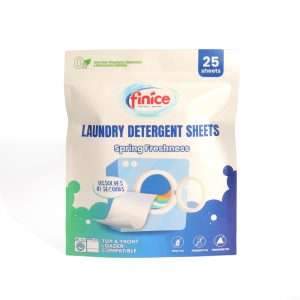
- Our Laundry Detergent Sheets3 are designed with potent surfactants and enzymes to handle tough stains, including blood and bodily fluids.
- This sheet-based format dissolves quickly and evenly, ensuring consistent cleaning power throughout the wash cycle.
High Efficacy Against Pathogens
- We incorporate active ingredients to combat bacteria and viruses, especially when used with recommended wash temperatures.
- Ideal for maintaining high hygiene standards in clinics, hospitals, and long-term care facilities.
Fabric Safety
- Despite their powerful cleaning capabilities, our formulations are gentle on linens, helping extend the life of hospital bedding, uniforms, and patient gowns.
- Our detergent sheets are low-residue, minimizing potential skin irritants.
Regulatory Compliance
- Finice’s manufacturing processes adhere to strict quality control measures.
- We can provide supporting documents on request, helping B2B buyers meet local and international standards.
Eco-Friendly Approach
- Our laundry detergent sheets reduce packaging waste and chemical runoff.
- Lower volume and weight also cut transportation costs and carbon emissions—crucial for large-scale healthcare providers.
Scalable Supply Chain
- We cater to bulk orders and provide flexible shipping options, ensuring hospitals and care facilities maintain a steady supply of detergent.
Conclusion
Hospital-grade laundry detergent is essential for maintaining strict hygiene standards in healthcare facilities. From eliminating stubborn stains like blood and bodily fluids to eradicating dangerous pathogens, these specialized formulas are at the frontline of infection control.
For B2B customers—ranging from large hospital networks to independent care facilities—understanding key requirements and regulatory considerations helps ensure you’re stocking products that truly meet the demands of medical environments. By opting for detergent solutions like those offered by Finice, healthcare providers can confidently keep their linens and patients protected.
Discover the EPA’s regulations and guidelines regarding disinfectants used in hospital laundry processes to reduce the spread of pathogens. ↩
Understand how OSHA regulates the handling and processing of soiled medical linens to protect healthcare workers and patients. ↩
Understand the efficacy and unique advantages of Laundry Detergent Sheets and choose a more suitable cleaning product supplier. ↩