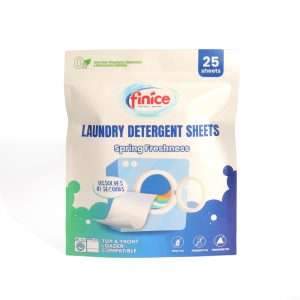
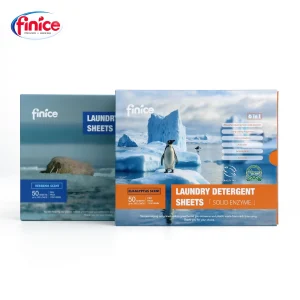
Plastic pollution is one of the most pressing environmental issues of our time, with devastating effects on marine ecosystems and biodiversity. As manufacturers of cleaning products, we recognize the growing demand from eco-conscious brands to adopt practices that reduce environmental harm. Switching to eco-friendly cleaning solutions is not just a product shift—it’s a responsibility that we all share to protect marine life and ensure a sustainable future for our planet.
Plastic pollution, especially in the form of microplastics, has infiltrated our oceans, rivers, and waterways, harming millions of marine species. In this article, we explore the effects of plastic pollution on marine life, provide alarming statistics, and discuss how adopting sustainable cleaning products can help curb this growing crisis.
The Scale of Marine Species Affected by Plastic Pollution
Plastic pollution affects over 700 marine species, including fish, seabirds, sea turtles, and marine mammals. This pollution is responsible for entangling, poisoning, and suffocating marine life, often leading to long-term health issues or death.

Key Facts:
- Over 9 million tons of plastic enter the ocean each year, with a large portion becoming ingested by marine animals.
- Seabirds: An estimated 90% of seabird species have ingested plastic in some form, leading to reduced reproductive success and starvation.
- Sea Turtles: Approximately 52% of sea turtles have ingested plastic, with fatal consequences in many cases.
- Marine Mammals: Species like whales and dolphins often become entangled in plastic debris, causing injuries or death.
These alarming statistics highlight the urgent need for businesses to consider the environmental impact of their products and packaging. As cleaning product manufacturers, the materials and packaging we choose play a critical role in either contributing to or helping reduce plastic pollution.
How Plastic Pollution Impacts Marine Life
The harmful effects of plastic pollution extend far beyond visible trash in the oceans. Once plastics degrade into smaller pieces, known as microplastics, they are nearly impossible to remove and become pervasive in the food chain.
1. Ingestion of Plastics
Marine species, from tiny plankton to large whales, often mistake plastic debris for food. When ingested, plastics can block the digestive system, leading to malnutrition, decreased reproductive rates, and, in many cases, death. Studies show that plastic ingestion is responsible for over 200,000 marine animal deaths annually.

2. Toxic Chemical Contamination
Plastics contain harmful chemicals that, when ingested, can leach into marine life. These toxic chemicals, such as BPA and phthalates, can disrupt endocrine systems and impair the reproductive and immune systems of marine species. Microplastics, which are tiny particles that are even harder to see and remove, can accumulate in marine organisms, traveling up the food chain and affecting even humans who consume seafood.
3. Physical Harm
Larger plastic debris, such as fishing nets and plastic bags, pose physical threats by entangling or suffocating marine life. Animals caught in plastic waste often experience severe injury or death, with many species having a significantly decreased chance of survival due to the damage caused by these materials.
Why Eco-Friendly Cleaning Products Matter
As cleaning product manufacturers, we play an essential role in helping to reduce plastic pollution by offering sustainable alternatives to traditional cleaning products and packaging. Eco-friendly cleaning products can help reduce the environmental footprint in two key ways:
1. Packaging
Traditional cleaning products are often sold in single-use plastic containers that contribute to the growing waste problem. Eco-friendly brands are shifting toward biodegradable packaging, refillable options, and compostable materials, all of which help reduce the amount of plastic waste entering landfills and oceans.
How can businesses reduce plastic waste in packaging?1
2. Sustainable Ingredients
Many conventional cleaning products contain chemicals that are harmful to marine ecosystems. Eco-friendly cleaning products often use plant-based, non-toxic ingredients that break down naturally, reducing their harmful effects on aquatic life and the environment.
By choosing products that prioritize sustainability—whether it’s biodegradable packaging, refillable containers, or plant-based ingredients—businesses can significantly reduce the environmental impact of their operations and products.
Taking Action: How Businesses Can Help
Businesses, especially those in the cleaning product industry, have the power to make a significant difference in reducing plastic pollution. Here are a few steps businesses can take:
1. Adopt Sustainable Packaging
Transition to biodegradable or recyclable packaging for your products. Reduce the reliance on single-use plastics, and offer refillable packaging where possible to encourage reuse and reduce waste.

2. Support Plastic-Free Initiatives
Join the growing movement of companies supporting plastic-free initiatives. Partner with organizations that are focused on cleaning up the oceans and reducing plastic waste, and incorporate these efforts into your brand’s messaging.
3. Use Environmentally Safe Ingredients
Choose ingredients that are non-toxic, biodegradable, and marine-safe. Avoid chemicals that can negatively impact marine ecosystems and the organisms that inhabit them.
4. Promote Eco-Friendly Products
Educate your customers about the environmental impact of traditional cleaning products and the benefits of using eco-friendly alternatives. Highlight how switching to sustainable cleaning solutions helps reduce the amount of plastic pollution affecting marine species.
What are biodegradable cleaning products?2
Conclusion
Plastic pollution is a significant threat to marine species and the health of our oceans. As manufacturers and brands that prioritize sustainability, it’s essential that we not only offer products that reduce plastic waste but also actively promote eco-friendly practices within our industries.
By shifting towards eco-friendly cleaning products, we can help mitigate the harmful effects of plastic pollution and protect marine life. At Finice, we are committed to providing cleaning solutions that are not only effective but also environmentally responsible. Together, we can reduce plastic pollution and contribute to the health of our oceans and the species that depend on them.