floor finish, types of floor finish, choose floor finish, best floor finish for commercial use, floor cleaning sheets
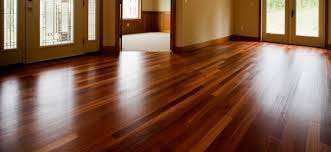
Dirty, dull floors hurt both appearance and safety. Many owners struggle to pick the right finish. A clear guide saves time and avoids costly mistakes.
The best way to choose a floor finish is to match the finish type with your floor material, traffic level, and maintenance routine while balancing durability, cost, and appearance.
When I first had to choose a finish for a commercial kitchen floor, I felt lost. I later learned that knowing the traffic level and cleaning method made the choice simple.
What factors matter most when choosing a floor finish?
Busy spaces need different finishes than quiet offices. Owners often forget to check durability or maintenance needs. A wrong choice can shorten floor life.
The main factors are floor type, traffic level, safety needs, maintenance costs, and the desired appearance.

Dive Deeper
When I look at a floor project, I ask simple questions:
- Is it wood, vinyl, tile, or concrete?
- Will hundreds of people walk on it daily?
- Is slip resistance more important than shine?
Here’s a quick table:
| Factor | Why It Matters | Example Finish |
|---|---|---|
| Floor Material | Some finishes bond better | Polyurethane on wood |
| Traffic Level | High use needs tougher coats | Epoxy on warehouses |
| Appearance | Matte vs gloss impacts design | Acrylic for shine |
| Maintenance | Some need frequent re-coating | Urethane = low upkeep |
| Safety | Slip-resistance is key in kitchens | Anti-slip sealers |
A systematic check makes it clear which option works best.
What are the main types of floor finishes?
Owners often confuse wax with sealer. Each type serves a purpose. A wrong pick can cause early wear or high costs.
The main floor finishes are acrylic, polyurethane, epoxy, penetrating sealers, and wax.
Dive Deeper
- Acrylic Finish: Quick to apply, glossy, but needs re-coating often.
- Polyurethane Finish: Strong, chemical resistant, good for wood and heavy use.
- Epoxy Finish: Long-lasting, best for warehouses and factories.
- Penetrating Sealers: Protect stone or concrete from inside.
- Wax Finish: Natural shine, but less durable in heavy traffic.
I once used epoxy in a high-traffic lobby. Three years later, it still looked solid with only light cleaning.
How do traffic levels and maintenance affect your choice?
Even the best finish fails if it cannot handle the daily load. Heavy traffic wears thin coats fast. Low-traffic spaces waste money on over-engineered finishes.
High-traffic areas need durable, chemical-resistant finishes like epoxy or polyurethane, while light-traffic areas can use acrylic or wax.
Dive Deeper
Think of a supermarket vs. a private office:
- Supermarket: Thousands of feet daily, spills often → needs epoxy.
- Office: Few people, no harsh spills → wax or acrylic works fine.
Here’s a simple comparison:
| Traffic Level | Best Finish | Maintenance Needs |
|---|---|---|
| Low | Wax, Acrylic | Buffing every few weeks |
| Medium | Polyurethane | Recoat once a year |
| High | Epoxy | Minimal, deep clean only |
In my case, switching a café floor from wax to polyurethane cut cleaning costs by half.
Can eco-friendly products improve floor care?
Many buyers care about safety and the environment. Strong chemicals are effective but may harm workers and the planet.
Eco-friendly floor cleaning sheets and water-based finishes help reduce chemical use while keeping floors clean and shiny.

Dive Deeper
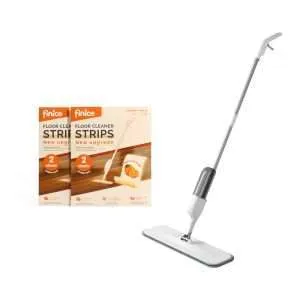
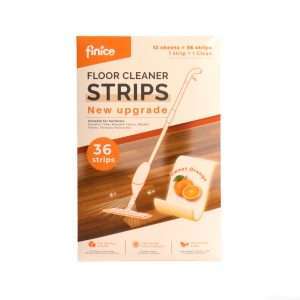
At Finice, we make floor cleaning sheets that dissolve in water. They are simple to use, save storage space, and cut down plastic waste.
- One sheet = one bucket of cleaner
- No heavy bottles or mixing errors
- Strong cleaning for grease, dirt, and stains
Eco-friendly does not mean weak. I tested our sheets in a hotel lobby after a busy weekend. The floor looked fresh in minutes, and staff loved the simple process.