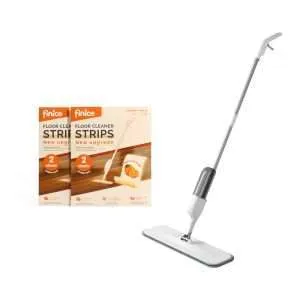
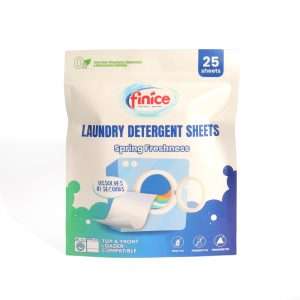
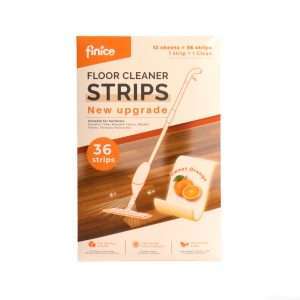
Importing cleaning products can seem like a complicated process, but with the right knowledge, it can be straightforward. Many businesses want to import household cleaning products like laundry detergent sheets, fabric softeners, and other essentials. However, to ensure the process is smooth, it’s important to know the necessary steps and regulations. Here’s how to import cleaning products successfully.
To import cleaning products, you need to understand regulations, certifications, customs procedures, and reliable suppliers. Research local laws, ensure proper product certifications, and find trustworthy shipping partners to avoid delays.
As with any import process, following the correct steps and understanding key requirements will help you avoid issues along the way. Let’s dive deeper into the essential aspects of importing cleaning products to ensure a seamless experience.
What Regulations Do You Need to Know Before Importing Cleaning Products?
When importing cleaning products, it’s crucial to be aware of regulations and certifications required in your country. Different countries have different standards for chemicals, labeling, and safety. Understanding these will prevent costly mistakes.
Before importing, research the regulations in your country regarding chemical safety, labeling, and environmental compliance. Each country may have its own specific requirements that must be met.

Importing cleaning products involves compliance with several key regulations. These regulations ensure that products are safe for consumers and the environment. In the U.S., for example, cleaning products must meet the standards set by agencies like the Environmental Protection Agency (EPA) and must comply with labeling requirements.
Key Certifications for Importing Cleaning Products
Different cleaning products, such as laundry detergents and fabric softeners, may require different certifications. Some common certifications include:
- EPA Registration: For products containing chemicals that could potentially harm human health or the environment.
- ISO Certification: Ensures product quality and manufacturing standards.
- FDA Approval: If the product claims to be non-toxic or suitable for sensitive skin.
Make sure your supplier is certified and complies with all local and international standards before importing. This helps ensure product safety and smooth customs clearance.
How to Find a Reliable Supplier for Cleaning Products?
Finding a trustworthy supplier is critical when importing cleaning products. You want to work with manufacturers who provide high-quality products that meet regulatory requirements and offer good shipping terms.
A reliable supplier should have a proven track record of meeting quality standards, delivering on time, and providing the necessary documentation for customs.

When searching for a supplier, always check for reviews, request product samples, and ensure they can provide certifications and compliance documents. A good supplier will help you avoid issues during import and ensure that the products meet your standards.
Questions to Ask Your Supplier
Here are some important questions to ask potential suppliers:
- Do you have the necessary certifications for my country’s import laws?
- Can you provide product samples before the bulk order?
- What’s your lead time for manufacturing and shipping?
- Do you provide any support during the customs process?
Getting clear answers to these questions can save you time, money, and frustration later on.
What Are the Key Steps in the Importing Process?
The process of importing cleaning products involves several steps, from finding the right supplier to clearing customs and ensuring your products are ready for sale. Knowing these steps will help you streamline the process and avoid delays.
The basic importing process includes choosing a supplier, ordering products, shipping, customs clearance, and final delivery. Each step requires attention to detail and proper documentation.
Key Steps in the Importing Process
- Find a Supplier: As discussed earlier, find a certified and reliable supplier who meets your standards.
- Negotiate Terms: Agree on the product specifications, pricing, payment terms, and shipping options.
- Shipping & Customs: Once the product is ready, arrange for shipment. This can involve freight forwarding1 and dealing with customs authorities to clear the goods.
- Final Delivery: Once cleared by customs, your products will be delivered to the final destination. Ensure you have the right distribution network in place.
If you’re new to importing, it might be worth working with an experienced freight forwarder who can guide you through the entire process.
How Do You Handle Customs and Tariffs?
One of the most important aspects of importing cleaning products is customs clearance. Understanding tariffs and import duties will help you calculate costs and avoid unexpected fees.
Understanding customs procedures and tariffs is essential for a smooth import process. Ensure you know the correct HS code for your products, as this affects the duties you will pay.

Customs and tariffs vary by product and destination country. Cleaning products are typically classified under specific Harmonized System (HS) codes2, which determine the applicable tariff rates. If you’re importing to the U.S., for example, you’ll need to look up the HS code for cleaning products and pay attention to any trade agreements that might affect duties.
Working with a Customs Broker
A customs broker3 is a professional who handles the complexities of customs clearance on your behalf. They can help with paperwork, ensuring that everything is in compliance with local regulations.
What Shipping Methods Should You Consider?

Choosing the right shipping method is essential to keep costs low and delivery times reasonable. Depending on the volume and urgency, different shipping methods may be appropriate for your business.
Air freight is faster but more expensive, while sea freight is more cost-effective for bulk shipments but slower. Consider the pros and cons of each method based on your needs.
Shipping Methods for Cleaning Products
- Air Freight: Fast but higher costs. Suitable for smaller, urgent orders.
- Sea Freight: Cost-effective for bulk shipments but takes longer. Ideal for large quantities of products.
- Rail or Trucking: Used for land-based shipments, often as part of a supply chain from ports to warehouses.
The choice of shipping method will depend on your budget, timeline, and order size.
Conclusion
In conclusion, importing cleaning products requires careful planning and adherence to regulations. By understanding the key steps—finding reliable suppliers, ensuring regulatory compliance, handling customs, and choosing the right shipping method—you can make the process easier and more efficient.
Discover how an experienced freight forwarder can help guide you through the shipping and importation process. ↩
Understand the HS codes necessary for determining tariff rates and customs duties when importing cleaning products. ↩
Find out how a customs broker can assist with the complexities of customs clearance during the importing process. ↩