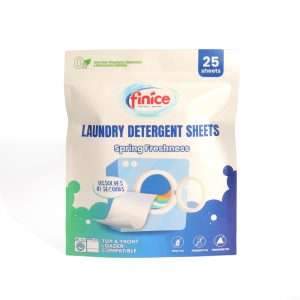
Private label laundry detergent sheets are becoming an attractive category for supermarket groups, importers, e-commerce sellers and established cleaning brands that want a compact, differentiated laundry product. The opportunity is real, but launching successfully requires more than printing a logo on a pouch. Buyers must align product positioning, formula performance, packaging, compliance, landed cost and replenishment before the first commercial order.

This guide explains a practical launch framework for brands evaluating a laundry detergent sheets manufacturer. It focuses on the decisions that influence retail acceptance, repeat purchase and long-term supply stability.
1. Define the Product Position Before You Request Quotes
Start with the customer and channel, not the factory price. A supermarket private label, a direct-to-consumer subscription brand and a hospitality supplier may all need laundry sheets, but their commercial requirements are different.
- Value line: prioritize cost per wash, efficient packaging and broad household appeal.
- Premium eco line: emphasize concentrated dosing, low packaging volume, ingredient transparency and refined fragrance options.
- Sensitive-skin line: review fragrance direction, allergen communication and supporting documentation carefully.
- Travel or small-space line: focus on compact packs, easy handling and clear single-dose instructions.
- Institutional or hospitality line: evaluate larger pack formats, dosing consistency and supply continuity.
Write a one-page product brief covering target market, retail price, loads per pack, preferred fragrance, fragrance-free option, pack format, claims, destination countries and expected first-year volume. This helps every supplier quote the same product concept.
2. Validate the Core Formula and Wash Performance
The strongest packaging cannot rescue a weak wash experience. Before approving a private label laundry detergent sheets formula, test the product in conditions that match the intended market.
Performance checks for buyers
- Cleaning results on everyday stains such as oils, food and soil.
- Dissolution in cold, warm and short cycles.
- Residue, spotting or film remnants after the wash.
- Performance at the recommended dose and load size.
- Fragrance character and persistence when scent is part of the positioning.
- Stability after storage and transportation.
- Batch-to-batch consistency between samples and production goods.
Ask the supplier to define the test method, sample age, water hardness assumptions and pass/fail criteria. Do not rely only on a sales sample. A strong OEM partner should explain how formula adjustments affect cleaning strength, dissolution, fragrance release and cost.
Finice provides product development and testing support for laundry sheets, but buyers should always request the actual technical documents and test reports relevant to their final formula and destination market.
3. Choose the Right Customization Level
Not every launch needs a completely new formula. In many cases, the fastest route is to select a proven base and customize the elements that matter most to the target customer.
| Customization level | Typical changes | Best fit |
|---|---|---|
| Stock formula + private label | Logo, artwork, pack size, fragrance selection | Fast market test or first retail order |
| Adapted formula | Fragrance, color, dosing, claim direction, performance tuning | Brands needing differentiation without a long development cycle |
| Full OEM/ODM development | New formula brief, packaging system, testing plan and claims support | Strategic brands and larger retail programs |
For most new brands, an adapted formula is a sensible middle path. It allows meaningful differentiation while reducing technical and commercial risk compared with a fully new formulation.
4. Build Packaging Around Retail and Logistics Requirements
Laundry detergent sheets are compact, which can support efficient storage and shipping, but the package still needs to protect the product from moisture, communicate dosage clearly and fit the retailer’s shelf architecture.
Discuss these packaging decisions early:
- Primary moisture barrier and seal integrity.
- Flat pouch, carton, box or refill format.
- Pack count and loads per pack.
- Child-safety considerations where applicable.
- Language and regulatory labeling for each destination market.
- Barcode, carton marks and pallet configuration.
- Packaging artwork, color system and claims hierarchy.
For e-commerce, the package should also photograph well, survive parcel handling and make the product benefit obvious in a thumbnail. For supermarkets, shelf blocking, facings and planogram fit may matter more than premium finishing details.
5. Prepare Compliance and Technical Documentation
Compliance requirements vary by market and by the claims printed on the label. Buyers should ask the supplier what documentation is available before final artwork approval.
Depending on the market and product positioning, the documentation package may include:
- Ingredient or composition information.
- Safety Data Sheet where required.
- Technical data sheet and product specification.
- Stability or shelf-life support.
- Packaging and labeling review.
- Allergen or fragrance information when relevant.
- Third-party test reports or certification documents that genuinely apply to the product.
Use official regulatory sources for final decisions. The European Chemicals Agency detergent regulation overview is a useful starting point for Europe, while the U.S. EPA Safer Choice program explains how ingredient and product review works for qualifying products. Requirements should be checked with the importer, local consultant or responsible person for the destination market.
6. Calculate MOQ, Lead Time and Landed Cost Together
A low manufacturing MOQ can still produce an unattractive business case if packaging, freight, testing or tooling costs are high. Compare suppliers using landed cost and replenishment logic rather than unit price alone.
Your commercial model should include:
- Formula and product cost.
- Packaging and printing cost.
- Sampling, testing and artwork charges.
- Carton and pallet configuration.
- Freight, insurance, duties and local delivery.
- Payment terms and cash tied up in inventory.
- Expected reorder timing and safety stock.
Ask for separate quotes for the first order and repeat orders. The first shipment may include one-time costs that disappear later, while repeat orders may have different packaging or production economics. A supplier that explains these differences clearly is easier to plan with.
7. Score the Supplier Before You Approve the Order
Use a simple weighted scorecard instead of choosing from a single price sheet.
| Evaluation area | Questions to ask |
|---|---|
| Product performance | Can the supplier provide samples, test methods and comparable production references? |
| Customization | Can the factory support fragrance, pack size, artwork and formula adjustments? |
| Quality control | What checks are performed on incoming materials, in-process goods and finished packs? |
| Documentation | Can the supplier provide the technical and regulatory documents needed for the target market? |
| Capacity | Can the supplier support repeat orders during seasonal demand? |
| Communication | Are specifications, changes and approvals documented clearly? |
| Logistics | Can the supplier provide reliable carton data, shipping support and export documents? |
Request a pilot order or controlled first production whenever possible. The goal is to confirm that the approved sample, packaging and production goods remain aligned.
8. Plan the Launch Around Repeat Purchase
Retail success depends on replenishment, not just the first shipment. Before launch, decide how you will measure repeat purchase, review customer feedback and manage new SKU introductions.
Useful launch metrics include:
- Sell-through by channel and pack size.
- Repeat order interval.
- Returns or complaints related to dissolution, fragrance or packaging.
- Cost per acquired customer for e-commerce.
- Retailer reorder rate.
- Gross margin after freight and promotional spend.
Start with a focused range rather than too many variations. One core everyday formula plus one differentiated option, such as fragrance-free or premium fragrance, is often easier to forecast and support than a large launch portfolio.
Frequently Asked Questions
What is the best first order size for a private label laundry sheets brand?
The right first order depends on your channel, pack size, forecast, cash flow and packaging MOQ. A practical approach is to estimate a realistic 60–90 day sales plan, add a safety margin and confirm the supplier’s repeat-order lead time before finalizing the quantity.
Should I use a stock formula or develop a custom formula?
Use a stock or adapted formula when speed and lower risk matter most. Choose full custom development when your positioning depends on a distinctive performance profile, fragrance system or market-specific requirement.
How early should packaging compliance be reviewed?
Review packaging and claims before artwork is finalized. Late changes can create reprinting costs, delays and inconsistent labeling across markets.
What should I ask a laundry detergent sheets OEM supplier first?
Ask for product specifications, sample options, testing information, MOQ, lead time, customization scope, packaging choices, export experience and the documentation available for your target market.
Conclusion: Launch With a Repeatable Supply System
A successful private label laundry detergent sheets launch combines product performance, clear positioning, compliant packaging, realistic economics and reliable replenishment. The right manufacturer should do more than produce a sheet; it should help you translate a commercial brief into a product that can be tested, approved, shipped and reordered with confidence.
If you are planning a new retail, e-commerce or wholesale laundry sheet line, contact Finice to discuss OEM, ODM, private label packaging, samples and export requirements for your target market.