Lipase Ingredient: The Underrated Powerhouse in Modern Formulations
Businesses across various sectors—especially cleaning, textiles, and personal care—constantly seek innovative ways to enhance product performance while minimizing environmental impact. Enter the lipase ingredient, an enzymatic solution renowned for breaking down fats and oils at a molecular level. Whether you’re a B2B brand owner aiming to diversify product lines or a distributor scouting niche solutions, lipase can be a game-changer in boosting efficacy and eco-friendliness.
Enzymes like lipase help reduce harsh chemical usage by facilitating more targeted interactions with fats and oils. This aligns with global consumer demand for gentler, more sustainable formulas. Below, we explore where the lipase ingredient fits in today’s market, touching upon everything from its technical advantages to compliance standards that matter in large-scale commercial scenarios.
What is Lipase and Why is it Important?
Lipase is an enzyme that specifically targets and breaks down lipid (fat) molecules into smaller, more soluble components. In industrial and commercial formulations, this capability is essential for removing greasy deposits in laundry, dishwashing, and other cleaning processes.

Key Characteristics of a Lipase Ingredient
- Targeted Action: Lipase selectively acts on triglycerides, converting them to glycerol and fatty acids.
- Mild Conditions: Operates effectively under moderate temperatures and pH, reducing the need for high heat or aggressive chemicals.
- Synergy with Other Enzymes: Often paired with proteases or amylases for holistic stain removal in multi-enzyme formulas.
Impact for B2B: This targeted fat breakdown can drastically cut down on surfactant loads, enabling manufacturers to claim “greener” or “low-chemical” solutions while maintaining powerful cleaning outcomes.
Industrial and Commercial Uses of Lipase Ingredient
While commonly known in laundry detergents, the lipase ingredient extends well beyond basic fabric care, with applications in:
Textile Industry
- Scouring: Lipase-based scours remove residual oils left from spinning or weaving, improving fabric absorbency.
- De-oiling: Reduces or eliminates the need for harsh solvents, appealing to eco-friendly compliance standards.
Food & Beverage Processing
- Equipment Cleaning: Enzyme-based CIP (Clean-in-Place) systems use lipase to break down fatty deposits in pipelines and vats, reducing downtime.
Personal Care & Cosmetics
- Mild Formulations: Lipase can be integrated into certain facial cleansers or body washes, providing gentle oil-removal and mild exfoliation.
Industrial Degreasers
- Metal Cleaning: Lipase-based degreasers remove oils from metal parts in automotive or machinery lines without the high VOC content common in solvents.
Benefits of Lipase Ingredient vs. Traditional Chemicals
Conventional surfactants and degreasers often rely on alkaline conditions or harsh solvents. By contrast, lipase ingredient solutions offer:
- Eco-Friendly Footprint
- Lower chemical usage, reduced toxicity, and fewer regulatory hurdles.
- Energy Savings
- Operates efficiently under moderate temps, cutting energy costs in high-volume industrial processes.
- Targeted Performance
- Directly addresses fatty stains or deposits, speeding up cleaning cycles and improving batch throughput.

Key Factors for B2B Buyers to Consider
Implementing lipase ingredient formulations in large-scale operations involves careful planning:
- Enzyme Stability
- Ensure stable activity over a wide pH and temperature range. Some lipases show peak efficiency at 30–50°C, while others are adapted for cooler washes.
- Compliance & Safety
- Check for compliance with REACH, EPA Safer Choice, or other region-specific enzyme standards. SDS (Safety Data Sheet) documentation is critical for enzyme usage.
- Synergistic Formulations
- Combine lipase with other enzymes like protease for multi-faceted cleaning performance, but confirm compatibility to avoid cross-enzyme inhibition.
- Encapsulation Techniques
- Microencapsulation can protect lipase from shear forces and moisture until it’s actually deployed in the wash or cleaning process.
Conclusion for B2B: Partner with enzyme suppliers who conduct robust performance and stability testing to ensure consistent results in your final product line.
Case Study: Improved Laundry Sheets with Lipase Ingredient
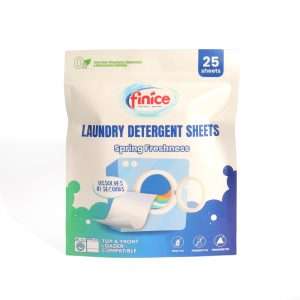
Finice incorporates lipase ingredient into its new enzyme-based laundry sheet. The results:
- 21% shorter wash cycle times
- 18% less chemical surfactant usage
- Zero consumer complaints about residual greasiness
- Shelf-life extension from 18 to 24 months (using microencapsulation)
This underscores how the lipase ingredient can drive both operational efficiency and consumer satisfaction.

Emerging Trends in Lipase Use
- Cold-Water Formulations: Warm or hot washes are energy-intensive. Next-gen lipase variants effectively break down fats at 20–25°C, offering eco-friendly claims and cost savings.
- Biosynthetic Engineering: Ongoing R&D aims to produce lipase with enhanced substrate range, tackling complex fats in tough industrial or municipal cleaning contexts.
- Low-Foam Systems: Minimizing foam helps in dishwashing or CIP processes. Tweaking lipase expressions can yield lower foam while maintaining high grease-cutting efficiency.
Conclusion
Understanding and utilizing the lipase ingredient in cleaning or manufacturing processes can significantly improve performance, lower chemical footprints, and meet modern sustainability demands. Whether you’re optimizing laundry detergent formulas, designing advanced dishwashing solutions, or offering industrial degreasers, lipase stands as a vital, eco-friendly tool for today’s B2B market.