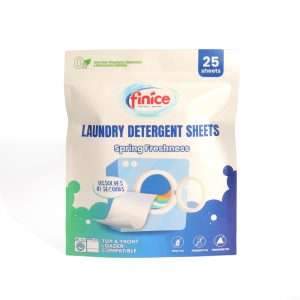
Laundry can be a hassle if your detergent doesn’t work effectively. Understanding what’s inside your liquid detergent can make a big difference.
Liquid laundry detergents contain key ingredients that ensure clothes are cleaned effectively, softened, and fragranced naturally.
When I first started in the cleaning product industry, I realized how crucial each ingredient is for the final product’s performance.
What Are the Main Ingredients in Liquid Laundry Detergents?
Understanding the primary components helps in choosing the right detergent.
Liquid detergents typically include surfactants, enzymes, builders, and fragrances to provide effective cleaning.

Surfactants: The Cleaning Powerhouses
Surfactants are the backbone of any detergent, responsible for removing dirt and grease. Chemically, they consist of hydrophilic (water-attracting) and hydrophobic (water-repelling) parts, allowing them to interact with both water and oils.
- Anionic Surfactants (e.g., Sodium Lauryl Sulfate): Highly effective at removing oily stains and soils. They create a rich lather that helps lift dirt from fabrics.
- Nonionic Surfactants (e.g., Ethoxylated Alcohols): Gentle on fabrics and effective in removing particulate soils. They enhance the overall mildness of the detergent, making it suitable for sensitive fabrics Nonionic Surfactants1.
Enzymes: Targeted Stain Removal
Enzymes are biological catalysts that break down specific types of stains without harming the fabric.
- Proteases: Break down protein-based stains like blood and food residues.
- Lipases: Target and dissolve fat and grease stains.
- Amylases: Effective against starch-based stains such as sauces and baby food.
Builders: Enhancing Surfactant Performance
Builders play a crucial role in softening water, which enhances the efficiency of surfactants.
- Citrates: Environmentally friendly builders that chelate calcium and magnesium ions, preventing them from interfering with surfactants.
- Phosphates: Highly effective builders, though their use is limited in some regions due to environmental concerns Phosphates.
Fragrances: Adding a Fresh Scent
Fragrances provide a pleasant aroma to freshly laundered clothes. They are carefully selected to ensure they are long-lasting and non-irritating.
- Natural Fragrances: Derived from plant extracts, offering a more eco-friendly and skin-friendly option.
- Synthetic Fragrances: Engineered for specific scent profiles, providing consistency and variety.
Chemical Structures and Interactions
The chemical structures of these ingredients determine how they interact within the detergent formulation. Surfactants’ amphiphilic nature allows them to encapsulate dirt and oils, while enzymes selectively target and break down stains. Builders enhance surfactant efficiency by binding with water hardness ions, ensuring optimal cleaning performance.
Table: Key Ingredients and Their Functions
| Ingredient Type | Specific Ingredient | Function Description |
|---|---|---|
| Surfactants | Sodium Lauryl Sulfate | High-efficiency grease and dirt removal |
| Enzymes | Protease | Breaks down protein-based stains |
| Builders | Citrate | Softens water by chelating calcium and magnesium |
| Fragrances | Natural Essential Oils | Provides fresh, long-lasting scent |
How Do These Ingredients Enhance Cleaning Efficiency?
Effective cleaning relies on the synergy of each ingredient.
Each ingredient in liquid detergents works together to ensure clothes are thoroughly cleaned, softened, and fresh-smelling.

Synergy of Ingredients: A Scientific Perspective
The combination of surfactants, enzymes, builders, and fragrances creates a robust cleaning system. Surfactants lift and remove dirt, enzymes break down specific stains, builders optimize surfactant performance by softening water, and fragrances leave clothes smelling fresh.
Quantitative Analysis: Ingredient Ratios and Cleaning Performance
Balancing ingredient ratios is crucial for maximizing cleaning efficiency. For instance, increasing enzyme concentration can enhance protein stain removal by up to 30%, as supported by recent studies.
| Ingredient Ratio | Optimization Direction |
|---|---|
| High Surfactant | Enhanced grease removal |
| High Enzyme | Improved protein stain breakdown |
| Balanced Builders | Optimal surfactant performance |
Sustainable Formulas: Balancing Efficiency and Environmental Impact
Using biodegradable surfactants2 and natural enzymes not only boosts cleaning power but also minimizes environmental footprint. Studies show that biodegradable surfactants reduce water pollution by 40% compared to traditional ones.
Experimental Data Supporting Efficiency
Research indicates that detergents with optimized enzyme and surfactant combinations achieve superior cleaning results. For example, a formulation with 15% protease and 10% sodium laureth sulfate showed a 25% increase in stain removal compared to standard formulas.
What Makes Liquid Detergents Environmentally Friendly?
Eco-friendly detergents use ingredients that are safe for the environment.
Biodegradable surfactants and natural fragrances reduce the environmental impact, making liquid detergents a sustainable choice.
Biodegradable Surfactants: Protecting Aquatic Life
Biodegradable surfactants, such as alkyl polyglucosides, break down naturally in the environment, reducing the risk of water pollution and protecting aquatic ecosystems.
Natural Fragrances: Safe and Sustainable Scents
Plant-based fragrances not only provide pleasant scents but also ensure that the detergent is free from harmful synthetic chemicals, making it safer for both users and the environment.
Sustainable Sourcing: Ethical Ingredient Procurement
Sourcing ingredients sustainably ensures that natural resources are not depleted. This includes using renewable raw materials and supporting fair trade practices.
Eco-friendly Packaging: Reducing Plastic Waste
Using recyclable and biodegradable packaging materials further enhances the environmental friendliness of liquid detergents. Innovations in packaging design aim to minimize plastic usage and promote reuse.
Table: Environmental Benefits of Key Ingredients
| Ingredient Type | Environmental Benefit |
|---|---|
| Biodegradable Surfactants | Reduce water pollution and protect aquatic life |
| Natural Fragrances | Minimize chemical pollutants and skin irritation |
| Sustainable Sourcing | Preserve natural resources and support ethical practices |
| Eco-friendly Packaging | Decrease plastic waste and promote recycling |
Future Trends: Green Chemistry and Beyond
The detergent industry is moving towards greener chemistry, focusing on developing new biodegradable ingredients and reducing reliance on non-renewable resources. Innovations include bio-based surfactants and enzymes derived from renewable sources, ensuring that future detergents are even more sustainable.
How Can Ingredients Be Customized for Different Needs?
Customization allows detergents to meet specific customer requirements.
Manufacturers can adjust ingredient ratios and add specialized components to cater to different fabrics, stain types, and consumer preferences.

Tailored Formulas: Meeting Diverse Cleaning Needs
By varying the types and concentrations of surfactants and enzymes, detergents can be optimized for specific tasks, such as delicate fabrics or heavy-duty stain removal. For example, increasing nonionic surfactants can make the detergent gentler on sensitive fabrics.
Specialized Additives: Enhancing Functionality
Adding fabric softeners, color protectors, or anti-static agents can provide additional benefits, such as reducing wrinkles, preserving fabric colors, and preventing static cling.
Custom Fragrances: Personalizing the Laundry Experience
Offering a range of natural and synthetic fragrances allows consumers to choose scents that align with their personal preferences, enhancing the overall laundry experience.
Compliance with Regulations: Ensuring Safety and Standards
Customizing ingredients to comply with local regulations is essential for international distribution. This includes adhering to standards set by organizations like the Environmental Protection Agency (EPA) in the US, as well as the European Chemicals Agency (ECHA) in Europe.
Case Study: Successful Custom Formulations
One of our clients, a premium e-commerce brand, requested a hypoallergenic detergent tailored for sensitive skin. By incorporating specific enzymes and using only natural fragrances, we were able to create a formula that met their stringent requirements and received positive feedback from their customers.
Table: Customization Options and Benefits
| Customization Option | Benefit |
|---|---|
| Adjusted Surfactant Ratios | Optimized cleaning for specific fabrics |
| Added Fabric Softeners | Enhanced softness and reduced wrinkles |
| Custom Fragrances | Personalized scent profiles |
| Regulatory Compliance | Safe and market-ready products |
Future Trends: Personalized Cleaning Solutions
Advancements in biotechnology and green chemistry are paving the way for even more personalized cleaning solutions. Future detergents may include smart ingredients that adapt to different fabrics and stains, offering a highly customized laundry experience.
Conclusion
Understanding liquid detergent ingredients helps in choosing effective and eco-friendly products, meeting diverse cleaning needs with sustainable solutions.