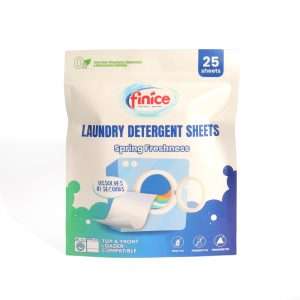
Plant-based laundry detergents offer eco-friendly, effective cleaning solutions that align with modern sustainability standards for businesses.
As a manufacturer committed to sustainability, transitioning to plant-based laundry detergents has revolutionized our product offerings and client satisfaction.
Snippet paragraph:
Plant-based laundry detergents provide effective cleaning while minimizing environmental impact, making them ideal for businesses seeking sustainable solutions.
Embracing plant-based options has not only enhanced our product line but also strengthened our partnerships with eco-conscious brands.
Why choose plant-based laundry detergent for your business?
Switching to plant-based detergents aligns with growing environmental and consumer demands.
Plant-based detergents enhance brand reputation, meet sustainability goals, and appeal to eco-conscious consumers.

Dive Deeper
Enhancing Brand Reputation
Adopting plant-based laundry detergents demonstrates a commitment to sustainability. This can significantly improve your brand’s image, attracting partners and customers who prioritize eco-friendly products.
Meeting Sustainability Goals
Many businesses set ambitious sustainability targets. Plant-based detergents help achieve these goals by reducing reliance on petrochemicals and lowering the carbon footprint associated with traditional detergents.
Appealing to Eco-Conscious Consumers
Today’s consumers are more environmentally aware. Offering plant-based detergents meets their expectations for green products, fostering customer loyalty and increasing market share.
| Benefit | Description |
|---|---|
| Sustainability | Reduced environmental impact |
| Consumer Appeal | Meets the demand for eco-friendly products |
| Regulatory Compliance | Aligns with stricter environmental regulations |
| Cost Efficiency | Potential savings through bulk sourcing |
Regulatory Compliance
With increasing regulations on chemical compositions, plant-based detergents ensure compliance with environmental laws, reducing the risk of legal issues and enhancing market access.
Cost Efficiency
Bulk purchasing of plant-based ingredients like coconut oil can lead to significant cost savings. Additionally, eco-friendly products often command higher prices, improving profit margins.
What are the key ingredients in plant-based laundry detergents?
Understanding the ingredients helps ensure product efficacy and safety for both users and the environment.
Key ingredients include natural surfactants, enzymes, and essential oils, all derived from renewable plant sources.

Dive Deeper
Natural Surfactants
Surfactants derived from plants like coconut oil are fundamental in plant-based detergents. They effectively remove dirt and stains without the harshness of synthetic chemicals, ensuring fabrics are cleaned gently yet thoroughly.
Enzymes
Enzymes sourced from plants break down protein-based stains such as food or blood. These biological catalysts enhance the detergent’s cleaning power, allowing for effective stain removal at lower temperatures, which saves energy.
Essential Oils
Natural fragrances from essential oils like citrus or lavender provide pleasant scents without synthetic fragrances. They also offer additional cleaning properties, such as antibacterial effects, enhancing the overall performance of the detergent.
| Ingredient | Source | Benefit |
|---|---|---|
| Coconut-Based Surfactants | Coconut oil | Effective cleaning, biodegradable |
| Plant-Derived Enzymes | Various plants | Enhanced stain removal, eco-friendly |
| Essential Oils | Citrus, lavender | Natural fragrance, non-toxic |
| Natural Builders | Sodium citrate | Softens water, boosts cleaning efficiency |
Coconut-Free Options
For clients requiring alternatives, coconut-free laundry detergents utilize other plant-based oils like soy or corn. These options cater to specific market needs and regulatory requirements, ensuring versatility in product offerings.
Laundry Starch Ingredients1
While not a primary component, laundry starch can be integrated into plant-based formulations to provide fabric stiffness and wrinkle resistance. Using natural starch sources maintains the eco-friendly profile of the detergent.
How do plant-based detergents compare to traditional options?
Evaluating performance, cost, and sustainability reveals the advantages of plant-based detergents for businesses.
Plant-based detergents match or exceed traditional detergents in cleaning power while offering superior environmental benefits.

Dive Deeper
Cleaning Efficacy
Modern plant-based formulas incorporate advanced enzymes and surfactants that provide robust cleaning performance comparable to synthetic detergents. They effectively tackle a wide range of stains and soils, ensuring high standards of cleanliness.
Cost Efficiency
While initial costs may be comparable or slightly higher, plant-based detergents offer long-term savings through bulk ingredient sourcing and potential premium pricing. Additionally, eco-friendly products can reduce costs related to environmental compliance and waste management.
Sustainability
Plant-based detergents use renewable resources and generate fewer pollutants. Their biodegradable nature ensures minimal environmental impact, supporting long-term sustainability goals and compliance with environmental regulations.
| Aspect | Plant-Based Detergents | Traditional Detergents |
|---|---|---|
| Cleaning Power | Comparable or superior | Effective but may use harsher chemicals |
| Cost | Competitive, especially at scale | Variable, often depends on chemical sourcing |
| Environmental Impact | Lower, biodegradable | Higher, often non-biodegradable |
| Consumer Appeal | High among eco-conscious | Varies based on market segment |
Market Competitiveness
Offering plant-based detergents can differentiate your brand in a crowded market. It attracts a niche segment of environmentally conscious consumers, providing a competitive edge and opening up new revenue streams.
Long-Term Viability
As regulations tighten and consumer preferences shift towards sustainability, plant-based detergents position your business for long-term success. They offer a forward-thinking solution that aligns with global trends towards environmental responsibility.
How to integrate plant-based detergents into your product line?
Strategically incorporating plant-based detergents can maximize benefits and ensure a smooth transition.
Integrate plant-based detergents by leveraging customizable formulations, optimizing supply chains, and marketing their eco-friendly advantages to B2B clients.

Dive Deeper
Customizable Formulations
Partner with manufacturers like Finice to customize plant-based detergent formulations. Tailor ingredients to meet specific client needs, such as fragrance preferences or sensitivity requirements, enhancing product appeal and client satisfaction.
Optimizing Supply Chains
Source high-quality, renewable ingredients in bulk to ensure cost efficiency and consistent supply. Building strong relationships with reliable suppliers minimizes disruptions and supports scalable production.
Marketing Eco-Friendly Advantages
Highlight the environmental benefits of plant-based detergents in your marketing strategies. Emphasize biodegradability, renewable sourcing, and reduced carbon footprint to attract eco-conscious B2B clients and differentiate your products in the market.
Compliance and Certification
Ensure your plant-based detergents meet all relevant regulations and obtain necessary certifications (e.g., USDA Organic2, EcoLabel3). These credentials enhance credibility and appeal to businesses seeking compliant and trustworthy products.
| Integration Step | Action | Benefit |
|---|---|---|
| Customizable Formulations | Work with manufacturers to tailor products | Enhanced client satisfaction and loyalty |
| Optimizing Supply Chains | Source renewable ingredients in bulk | Cost efficiency and reliable supply |
| Marketing Advantages | Promote eco-friendly benefits | Attracts eco-conscious B2B clients |
| Compliance and Certification | Obtain necessary environmental certifications | Increased credibility and market access |
Training and Support
Provide comprehensive training and support to your B2B clients on the benefits and usage of plant-based detergents. Educate them on product advantages, handling, and integration into their existing systems to ensure successful adoption and satisfaction.
Conclusion
Plant-based laundry detergents offer B2B clients effective, sustainable, and cost-efficient alternatives to traditional options, enhancing both performance and environmental responsibility.
By leveraging effective ingredients like natural surfactants, enzymes, and essential oils, businesses can create formulations that offer superior cleaning while ensuring safety and compliance with regulatory standards. Emphasizing sustainability through eco-friendly packaging and natural formulations can further enhance product appeal and meet the growing demand for green laundry solutions.
Opportunities in product innovation, strategic partnerships, and market expansion present significant avenues for B2B clients to drive business growth and establish a strong presence in the competitive laundry detergent market. By focusing on sustainability, efficacy, and compliance, businesses can develop plant-based laundry detergents that not only meet regulatory requirements but also exceed consumer expectations, ensuring long-term success and brand loyalty.
Footnotes
To define biodegradability and its significance in creating environmentally friendly laundry products. ↩
To explain the USDA Organic certification and its relevance for plant-based laundry detergents. ↩
To provide information on EcoLabel certification and its importance for enhancing the credibility of eco-friendly products. ↩