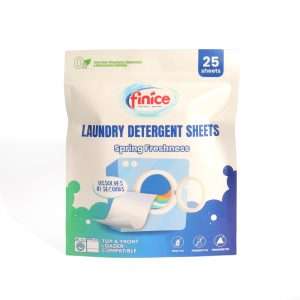
I’ve seen some B2B buyers hesitate when choosing cleaning product ingredients. They worry that traditional chemicals might be too harsh, yet fear that natural alternatives could raise costs or complicate sourcing.
Plant-based surfactants deliver effective cleaning power with fewer irritants and more environmentally responsible ingredients, meeting the market’s growing demand for sustainable solutions.
I remember speaking with a distributor who introduced plant-derived cleaning products. His customers noticed improved performance and praised the eco-friendly approach, setting him apart from competitors.
Why Should B2B Buyers Pay Attention to Plant-Based Surfactants?
B2B buyers face evolving consumer expectations, stricter regulations, and heightened scrutiny over ingredient sourcing. Sustainable raw materials can reduce future compliance issues and strengthen brand trust.
Adopting plant-based surfactants can satisfy customers who prefer natural formulations, elevate brand image, and provide a competitive edge in crowded markets.

Dive Deeper: Market Trends and Reputation Boost
I once spoke with a supermarket procurement manager who noticed customers actively seeking “plant-based” and “natural” labels. Introducing such products helped him better meet consumer preferences and improve the store’s standing in the community.
Key Market Drivers
- Rising consumer interest in health and ecology
- Tightening regulations on chemical use
- Transparency demands in the supply chain
| Factor | Benefit to B2B Buyers |
|---|---|
| Health & Eco Trends | Differentiation & Loyalty |
| Regulatory Pressure | Reduced Compliance Risk |
| Supply Chain Clarity | Trusted, Credible Sourcing |
What Are the Key Ingredients and How Do They Work?
Plant-based surfactants often derive from renewable sources1 like coconut, corn, or sugarcane. They use gentle enzymes and botanical extracts to break down oils and dirt.
These natural components are designed to dissolve easily in water, leaving fewer harmful residues and supporting eco-friendly cleaning solutions.
Dive Deeper: Composition and Mechanisms
Common Plant-Derived Sources
- Coconut oil derivatives for gentle grease removal
- Corn and sugarcane extracts for renewable surfactants
- Citrus peels for natural degreasing and fresh scent
| Plant Source | Attribute | Cleaning Benefit |
|---|---|---|
| Coconut Oil | Mild, Biodegradable | Effective Oil Removal |
| Corn/Sugarcane | Renewable, Consistent Supply | Stable Formulations |
| Citrus Peels | Natural Solvents, Fresh Aroma | Enhanced Stain Dissolution |
I recall a brand owner who incorporated coconut-based surfactants into their cleaning tabs. This shift improved product ratings and supported eco-friendly narratives.
How Do Plant-Based Surfactants Compare to Conventional Chemicals?
Traditional chemical surfactants can be harsh, less biodegradable, and may accumulate in the environment or cause irritations. Plant-based options break down more readily and pose fewer risks to water sources and soil.
Compared to conventional formulas, natural surfactants for laundry deliver cleaning efficiency while supporting regulatory compliance, reducing long-term liability, and appealing to conscious consumers.

Dive Deeper: Multiple Perspectives
Environmental and Consumer Impact
- Chemical: Potential allergens, long-term pollution
- Plant-Based: Gentle on skin, lower environmental footprint
B2B Procurement Considerations
- Chemical: Stable supply, but higher compliance challenges
- Plant-Based: May involve a learning curve, but yields stronger brand equity and marketing advantages
A distributor I know replaced synthetic surfactants with plant-based ones. He received fewer complaints and attracted customers who valued health and sustainability features.
Beyond Sustainability: Additional Value for B2B Companies
It’s not just about meeting eco-standards. Plant-based surfactants can command premium pricing, enhance brand narratives, and open doors to new consumer segments.
Working with certified, plant-derived ingredients helps B2B enterprises build a resilient supply chain, earn consumer trust, and potentially tap into global markets seeking green solutions.
Dive Deeper: Added Benefits
Brand and Marketing Advantages
- “Natural” and “Eco-Friendly” appeal to discerning buyers
- Improved public perception and potentially higher margins
Supply Chain Relationships
- Partnership with responsible suppliers
- Access to international distributors seeking sustainable products
I recall a trader who used these credentials to attract international clients. The stable quality and green messaging made negotiations easier and longer-lasting.
Ensuring Stable Supply and Quality Control
As with any ingredient, verifying supplier credentials, testing product batches, and maintaining flexible logistics arrangements are essential. Anticipating demand and building robust relationships prevent shortages.
By performing thorough supplier audits, obtaining certifications, and adjusting orders based on real-time demand, B2B buyers can maintain a consistent supply of high-quality, plant-based surfactants.
Dive Deeper: Strategic Sourcing
Practical Steps
- Partner with certified producers
- Conduct regular quality inspections
- Adapt orders to market trends
- Invest in transparent supply chain management
A colleague mentioned that after carefully vetting suppliers and setting reorder triggers, they never ran out of these specialized ingredients, keeping their clients satisfied.
Conclusion
Plant-based surfactants help B2B buyers meet modern cleaning demands, reduce regulatory risk, improve brand image, and tap into emerging market segments. By integrating these natural ingredients and ensuring reliable supply, companies can position themselves for long-term growth and success.
To discover various renewable plant sources (like coconut, corn, sugarcane) used in surfactants. ↩