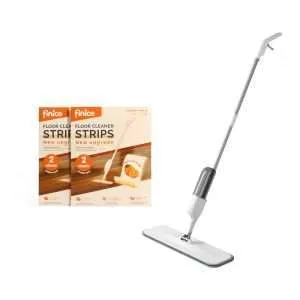
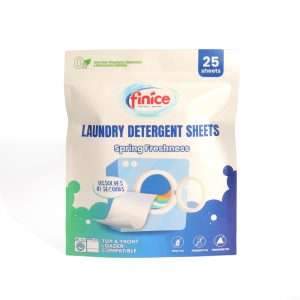
A private label cleaning launch handover file should connect the approved product, pack, commercial order and customer-facing information to the same SKU version. Its purpose is practical: purchasing, ecommerce and warehouse teams should be able to identify what is launching and which record controls each decision.

Organize by questions the next team must answer
A folder full of attachments is not enough if nobody knows which files are current. Start with an index showing the SKU, revision, document owner and approval state. Link to the complete files, keeping product facts separate from launch proposals that have not been agreed.
| Team question | Record to include | Responsible reviewer |
|---|---|---|
| What product did we approve? | Sample reference and product specification | Product and purchasing |
| What will arrive? | Pack hierarchy and purchase order | Purchasing and warehouse |
| What may we publish? | Approved copy and evidence references | Content and product reviewer |
| Which images are current? | Variant-matched image set | Ecommerce |
| When can we sell it? | Confirmed receipt and release milestones | Operations |
Use a release gate with visible open items
Classify each item as approved, awaiting information or superseded. Do not turn a missing answer into a default “yes.” For example, if the product is approved but the final retail quantity on the listing remains unresolved, keep that listing field open and assign an owner and due date.
An internal example illustrates the value: purchasing orders a 60-sheet pack while ecommerce prepares a page from an earlier 30-sheet mockup. Both files may look polished. A handover index that ties the listing to the approved SKU and pack specification exposes the mismatch before customers see it.
Keep claims connected to evidence
For each significant product statement, identify the supporting document and applicable product version. Marketing shorthand should not broaden a narrow technical result. Route unresolved wording to the appropriate reviewer and retain the decision, especially when translating approved copy into another channel’s character limits.
Also record the source of practical instructions. A customer-service answer, retail page and printed pack should not give different directions because each team copied a different draft. Link them to the agreed master copy, while keeping any channel-specific explanation consistent with it.
Who owns changes after launch?
Name an owner who can identify the affected records and coordinate updates. A new pack image may require changes to the listing, warehouse reference and support material. Preserve the old version for traceability while making the current one easy to find; do not leave both marked “final.”
This handover file supports coordination. It does not replace product review, applicable market requirements or the actual purchase agreement. Give each decision to the person responsible for it and record their approval explicitly.
Prepare the supplier portion with Finice
Finice’s company information describes services for private-label brands, importers and retailers. Send your launch document checklist with the selected product and SKU structure, and ask which materials can be supplied for that project. Use the product catalogue to identify the product family in the initial brief.