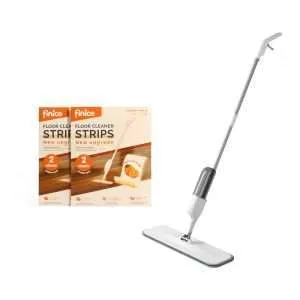
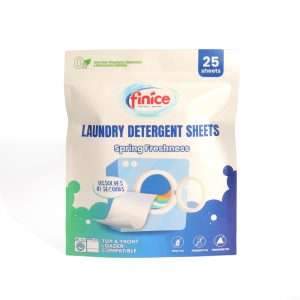
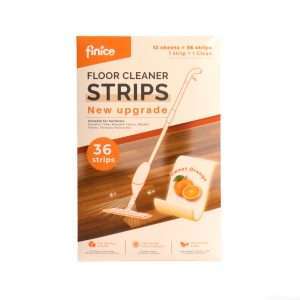
A private label cleaning product can keep the same product name while its raw materials, fragrance, pack or component supplier changes. Some changes are straightforward; others may affect performance, instructions, claims or the way customers identify a refill.
Buyers need a proportionate change-control process before the next order is placed. The aim is to make proposed changes visible, assess their impact and connect the approved version to the delivered stock.

Define what requires notification
Start with the elements that support the approved product: formulation reference, fragrance, sheet size or mass, packaging structure, closure, printed directions and any relevant manufacturing arrangements. Specify which proposed changes the supplier must notify before production.
A statement that the replacement is equivalent is a starting point for review, not the whole approval. Ask equivalent in which respect and what evidence supports that assessment. Appearance alone may not answer the question.
Match the review to the possible impact
| Proposed change | Questions for the review | Possible records |
|---|---|---|
| Formula or raw material | Could performance, product information or claims be affected? | Version comparison and relevant technical assessment |
| Fragrance | Does the approved scent or fragrance statement still apply? | Sample comparison and revised specification |
| Sheet size or portioning | Do dose and count definitions remain clear? | Physical sample and instruction review |
| Packaging or closure | Is protection and usability still appropriate? | Finished-pack evaluation |
| Artwork | Are claims, directions and identifiers still correct? | Marked revision and final approved file |
Not every change needs the same level of testing. The responsible technical and compliance teams should decide which checks remain valid and which need repeating. Document the reasoning rather than automatically accepting or rejecting every substitution.
Ask for a concise change request
A useful request identifies the current version, proposed version, reason for change and intended first production date or lot. It lists the affected SKUs and provides the supporting samples or information needed for review.
Include the proposed effect on availability and remaining materials where relevant. This helps the buyer plan a transition without confusing a supply deadline with technical approval. Commercial urgency should not silently replace the agreed review.
Separate technical approval from artwork release
A formula change may require the product description or directions to be reconsidered, while an artwork change may introduce a new claim even when the formula stays the same. Give each review a named owner and a clear decision record.
Use one final approved file for production. Keep superseded files identifiable so an old carton or online image is not accidentally reintroduced. If the change affects a refill system, review the starter-kit and refill descriptions together.
Plan the stock transition
Record which lot first contains the new version and how receiving staff will distinguish it. Decide whether remaining old-version stock can continue to be sold under its existing information, subject to the responsible review. Avoid mixing units in a way that prevents traceability.
Share the approved transition with purchasing, receiving, customer support and whoever manages online listings. A well-documented factory change is less useful if the sales channel continues to display incompatible instructions.
Verify the first changed lot
At receipt, compare the delivered version with the change approval and retained references. Focus on the checks identified by the review rather than inventing new acceptance limits after inspection. Record the outcome and any corrective action.
The Finice incoming-inspection checklist provides a related framework for connecting delivered laundry sheets with batch, packaging and artwork records. Change control determines what the next approved reference should be; incoming inspection checks what actually arrived.
Put the process into the sourcing brief
- Changes requiring advance notification.
- Information and samples needed for review.
- Named approval responsibilities.
- Version and lot identification expectations.
- Rules for artwork release and stock transition.
Explore Finice’s private label cleaning product range and share your change-notification requirements with the enquiry. Agreeing the process early makes repeat orders easier to control and gives both teams a clear route when a legitimate change is needed.