Choosing a private label scent booster from an open jar is a weak purchasing decision. The fragrance buyers smell in the pack can differ from the fragrance left on a washed, dried and stored garment. A useful scent booster sample test follows the product through the laundry process and records both preference and consistency.
This guide provides a practical comparison plan for brand owners and importers. It is a buyer-designed screening workflow, not a certified test method or a claim about a particular Finice formulation.
Start with the intended fragrance experience
Define the customer before asking a supplier for its strongest scent. A subtle everyday fragrance and a noticeable fragrance after storage are different briefs. Specify the target market, scent family, preferred intensity, intended fabrics and the role of the product in your range. Record whether the booster will normally be paired with a fragranced or fragrance-free detergent.
The American Cleaning Institute distinguishes scent boosters from other fabric enhancers. Added fragrance alone does not demonstrate cleaning, softening or sanitizing performance. Evaluate any additional proposed claim separately.
Make samples comparable before scoring them
Assign each candidate a neutral code. Keep a separate record of the supplier, formula version, batch reference and date received. Use consistent fabric sets, machine settings, detergent and drying methods. Include a detergent-only control so assessors can identify the fragrance contributed by the booster.
Begin with the dose recommended for the intended pack directions. Record the actual mass added, not just a loosely filled cap. If candidates use different recommended doses, assess each as consumers would use it; then compare the cost per intended use separately. Equal grams do not automatically mean an equivalent consumer experience.
| Stage | What to record | Why it matters |
|---|---|---|
| Pack opening | Scent character and any unexpected note | Checks the first impression without treating it as the final result |
| After washing | Wet-fabric scent and visible residue | Separates fragrance preference from dissolution concerns |
| After full drying | Intensity and character on each fabric | Matches a more relevant point of consumer use |
| After agreed storage intervals | Remaining intensity under controlled storage | Supports a defined comparison rather than a vague longevity promise |
| Repeat wash | Variation from the first run | Checks whether the preferred result is repeatable |
Use a simple blind scoring sheet
Ask several assessors to score intensity, liking and unwanted notes separately. An intense fragrance can still be disliked. Define the scale before testing; for example, an internal five-point intensity scale can run from not detected to very strong. This is a comparison aid, not an industry rating.
Give assessors the same handling instructions and change sample order between sessions. Let them record scores independently before discussing favorites. Avoid testing too many fragrances in one sitting. Keep individual responses so a divided preference is not hidden inside an average.
Control drying and storage conditions
Do not compare a tumble-dried sample with a line-dried sample and attribute the difference entirely to formulation. If both methods matter to your market, run separate comparisons. Use the same fabric types, load sizes and storage locations within each comparison.
Agree storage intervals in advance and keep garments away from unrelated perfumes. Record the actual interval and whether samples were folded, enclosed or left exposed. A result under one storage condition cannot establish a universal number of days of fragrance.
Approve a reference sample and its conditions
Keep a retained sample of the selected formula and a completed assessment sheet. Link approval to its exact version, dose, packaging and test conditions. Ask the supplier how a fragrance substitution or formula change would be communicated before production.
For a later production sample, repeat the agreed comparison against the retained reference. Investigate a difference before concluding that the batch has failed: dose, detergent, fabric history and storage can also change the result.
What to include in a sample request
- Target country, sales channel and intended customer.
- Desired fragrance family and intensity after drying.
- Relevant fabrics, washing conditions and drying methods.
- Proposed pack size and clear dosing instructions.
- Required sample quantity, batch identification and supporting product documentation.
- Any proposed longevity claim and the evidence you will need before using it.
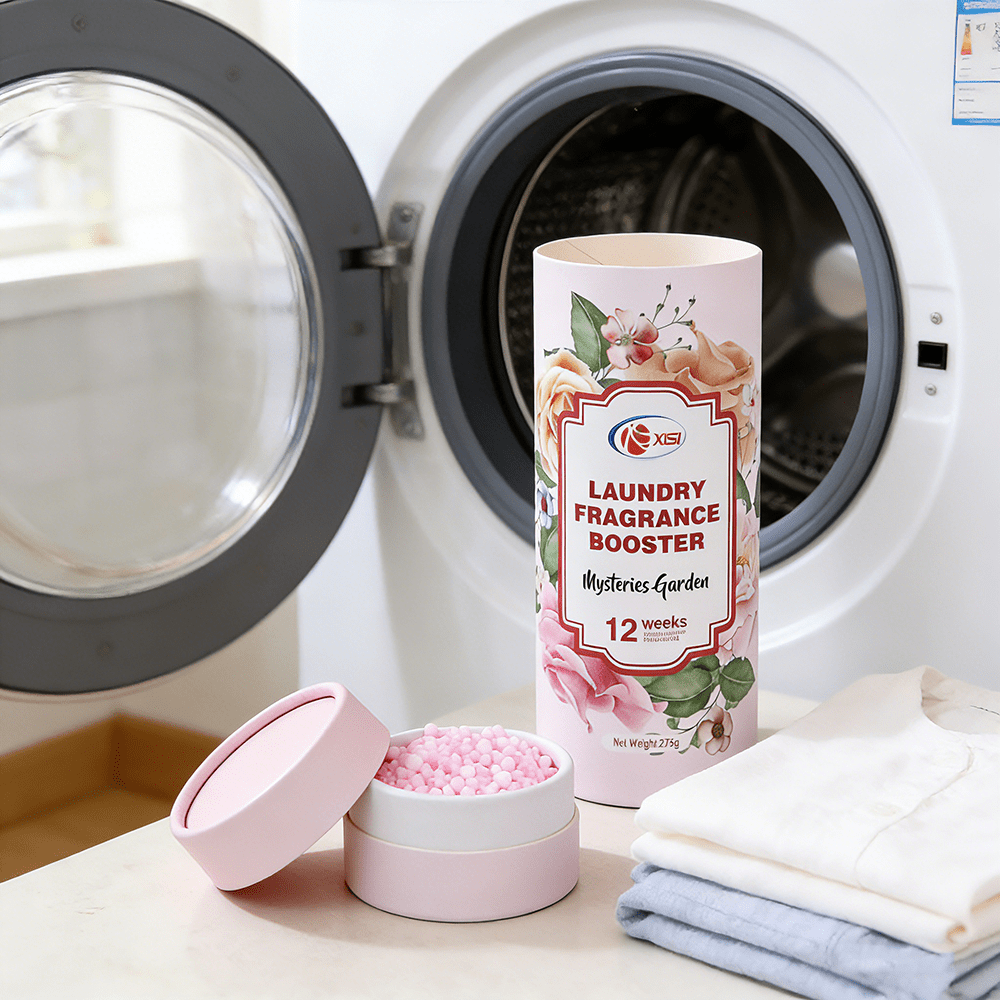
Review Finice’s laundry scent booster beads manufacturing options, then send your fragrance brief and sample requirements. A specific brief makes supplier proposals easier to compare and helps turn sampling into an actionable sourcing decision.
Frequently asked questions
Should the strongest sample win?
No. Choose the sample that matches the target customer and remains consistent at the intended dose. Preference, unwanted notes and the cost per use belong in the decision.
Does a good fragrance score prove a product is suitable for sensitive skin?
No. A sensory comparison does not establish skin compatibility. Do not turn fragrance preference results into health or safety claims.