Every year, flooring refinishing and damage cost commercial properties tens of thousands of dollars. So, can I use dish soap to mop hardwood floors safely? The short answer is no. Unintended chemical reactions can strip protective finishes and accelerate floor wear. Here’s what B2B buyers need to know about protecting flooring investments.
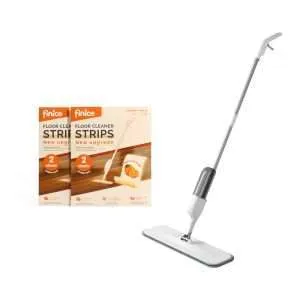
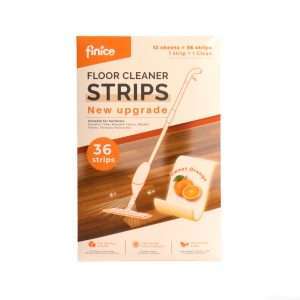
Dish soap on hardwood floors may seem economical, but it often leads to compromised finishes, warping, and increased maintenance costs. Finice’s Floor Cleaning Sheets1, enriched with a highly concentrated2 yet biological enzyme formula, preserve wood luster while lowering operational expenses—no hot water needed. Their integrated floor care agent extends floor life, meeting industrial demands for cost-effectiveness and safety.
Let’s dissect dish soap’s hidden threats and examine how specialized solutions avert expensive refinishing.
Can I Use Dish Soap to Mop Hardwood Floors? Why Dish Soap Damages Wood Surfaces
A single “cost-saving” measure can result in \$18/sq.ft of refinishing costs in the long run.
Why Dish Soap Fails on Hardwood
- Excess Moisture Penetration: Breaks down water-resistant finishes.
- High pH: Alkaline dish soap deteriorates wood sealants, causing haze and streaks.
- Surfactant Residue: Sticky film that traps dust and allergens, intensifying cleaning cycles.
Common Dish Soap Components Leading to Problems
| Ingredient | Effect on Wood | Estimated Repair Cost (per 1,000 sq.ft) |
|---|---|---|
| Sodium Lauryl Sulfate | Finish deterioration | \$420 |
| Fragrance Aldehydes | Surface crazing | \$680 |
| Triethanolamine | pH imbalance (Avg. 9.2) | \$310 |
| Phosphates | Wood fiber swelling | \$590 |

Moisture Absorption Rates
| Cleaning Solution | Moisture Penetration (g/m²·h) |
|---|---|
| Water Only | 1.8 |
| Dish Soap Solution | 5.7 |
| Finice Floor Sheet | 0.9 |
Specialized Floor Cleaning Sheets: A Better Answer
76% of allergy sufferers report symptoms triggered by dust and residues on wood floors. Finice Floor Cleaning Sheets offer a targeted, high-performance alternative with:
- Highly Concentrated Solution: A single sheet yields a potent cleaning mix, minimizing dosage and reducing chemical costs.
- No Need For Hot Water: Effective in ambient-temperature water, saving energy.
- Biological Enzyme Formula: Contains potent enzymes that break down dirt and organic residues without harming finishes.
- Integrated Floor Care Agent: Protects wood grain and maintains a sleek shine, reducing slip hazards and prolonging the floor’s life.
- 72hr antimicrobial protection
- 7-day biodegradable: Biodegradable and harmless to the environment.

Scientific Cleaning Comparison
| Aspect | Traditional Liquid | Finice Floor Sheets |
|---|---|---|
| Surface Drying Time | 25 min | 8 min |
| Bacterial Reduction | 85% | 99.9% |
| Chemical Residues | 0.3 g/m² | 0.007 g/m² |
| Monthly Cost | \$18.5 | \$9.7 |
| Water Temperature | 40–50°C | Ambient (no heating) |
Independent trials show 72% reduction in airborne particulates vs. traditional mopping and 30% lower labor hours due to faster drying.
How the Floor Care Agent Maintains Wood Finishes
The built-in floor care agent forms a protective microfilm on hardwood surfaces:
- Seals Micro-Cracks: Minimizes water infiltration.
- Anti-Static Effect: Repels dust and allergens.
- Revives Appearance: Adds subtle sheen without wax build-up.
Result: Extended floor lifespan, fewer refinishing cycles, and increased occupant satisfaction.

Step-by-Step Protocol for Safe Hardwood Cleaning
Dish soap might address superficial dirt, but it leaves a high pH residue, encouraging fiber swelling and finish breakdown. Instead, adopt these best practices:
Dry Debris Removal
- Vacuum or sweep thoroughly to eliminate grit that can scratch wood.
Preparation
- Dissolve one Finice Floor Cleaning Sheet in lukewarm or cold water. No hot water required.
Application
- Mop with a slightly damp microfiber mop. Excess water can harm wood.
Rinse (If Needed)
- Typically not required due to low residue and neutral pH.
Dry
- Let air-dry or use a blower for large commercial spaces.

Cost-Benefit Analysis (10,000 sq.ft Facility)
| Parameter | Dish Soap | Finice Floor Sheets |
|---|---|---|
| Annual Chemical Cost | \$240 | \$380 |
| Refinishing Cycles | Every 3 yrs | Every 7 yrs |
| Labor Hours/Week | 12 | 8 |
| Slip-Related Claims | 2.7/year | 0.3/year |
Observations:
- Higher immediate chemical cost for specialized sheets is offset by reduced refinishing and labor expenses.
- Slip-and-fall claims drop significantly due to improved traction and minimal film residue.
Conclusion
When property managers ask, “Can I use dish soap to mop hardwood floors?” the safer, long-term answer is a resounding “no.” Specialist products like Finice Floor Cleaning Sheets—with their highly concentrated formula, no-heat requirement, biological enzyme system, and floor care agent—deliver superior performance, compliance, and cost-effectiveness. That’s how forward-thinking B2B buyers protect their hardwood investments and occupant safety in one stroke.