Have your customers reported skin irritation or allergic reactions after using your cleaning products? Methylisothiazolinone could be the hidden culprit, affecting both consumer health and your brand’s reputation.
Methylisothiazolinone is a synthetic preservative commonly used to inhibit microbial growth in cleaning and personal care products. While effective, it has been increasingly associated with severe allergic reactions, dermatitis, and skin sensitivity, prompting a rising demand for methylisothiazolinone-free products.
As consumer awareness and regulatory scrutiny intensify, B2B companies must understand methylisothiazolinone dangers and recognize the strategic benefits of switching to safer, allergen-free alternatives to maintain customer trust and market competitiveness.
What is Methylisothiazolinone (MIT)?
Methylisothiazolinone (MIT) is a widely used biocide and preservative that inhibits bacterial and fungal growth. Its antimicrobial properties help extend shelf life and ensure product safety. It is commonly found in household cleaners, laundry detergents, personal care items (like shampoos, lotions), paints, adhesives, and cosmetics.
Methylisothiazolinone Other Names:
MIT often appears under different chemical names, complicating its identification. Common synonyms include:
- 2-Methyl-4-isothiazolin-3-one
- 2-Methyl-3(2H)-isothiazolone
- Neolone 950
- OriStar MIT
- Microcare MT
- Kathon CG (when mixed with methylchloroisothiazolinone)
Awareness of these synonyms is critical when evaluating product labels to ensure consumer safety and compliance.
Common Methylisothiazolinone Uses:
Due to its highly effective antimicrobial properties, methylisothiazolinone uses span various industrial and consumer products, including:
- Household cleaning products (surface cleaners, disinfectants)
- Laundry detergents and fabric softeners
- Personal care products (shampoos, conditioners, body washes)
- Cosmetics (creams, makeup removers)
- Paints, adhesives, and water-based coatings

Its popularity stems from low production cost, high effectiveness at low concentrations, and stability in diverse formulations.
The Hidden Risks: Methylisothiazolinone Dangers
While MIT is efficient at preventing microbial contamination, growing research highlights significant health risks, especially with repeated exposure. Major concerns include:
Allergic Contact Dermatitis:
Repeated skin exposure can cause severe allergic reactions, including redness, itching, swelling, and blistering. The methylisothiazolinone rash1 often occurs in sensitive individuals after even minimal exposure.
Respiratory Sensitivity:
Inhalation of aerosolized MIT from cleaning sprays or paints has been linked to respiratory irritation, asthma exacerbation, and sensitization.
Potential Neurotoxicity:
Animal studies indicate neurotoxic effects at higher concentrations, raising safety concerns regarding cumulative exposure from multiple product sources.

Regulatory Actions and Industry Impact:
Due to these health concerns, regulatory bodies worldwide have started restricting MIT usage. For instance:
- EU Regulations (2018) limit MIT concentration in rinse-off products to 0.0015% (15 ppm), banning its use entirely in leave-on cosmetics.
- Canada’s Cosmetic Ingredient Hotlist restricts MIT to very low concentrations and labels it a potential allergen.
- US EPA has classified MIT as a skin sensitizer requiring clear labeling warnings.
This regulatory environment increases the need for B2B companies to pivot towards safer ingredients proactively.
How Prevalent is Methylisothiazolinone Allergy?
According to data published by the American Contact Dermatitis Society (2022), methylisothiazolinone remains among the top 5 allergens causing allergic contact dermatitis globally. Key statistics include:
- 8%-10% of dermatitis patients in dermatology clinics test positive for MIT sensitivity.
- Over 20% of occupational dermatitis cases involve cleaning and personal care workers regularly exposed to MIT-containing products.
- MIT-related allergic reactions increased significantly between 2010 and 2020, prompting regulatory intervention globally.
Understanding this prevalence underscores why B2B buyers must prioritize safer alternatives.

Identifying and Offering Methylisothiazolinone-Free Products:
Consumer and professional preference for safer, allergy-friendly products presents market opportunities for brands and distributors. To meet this demand, many manufacturers now develop and market methylisothiazolinone-free products, ensuring safer product lines.
Benefits of Offering MIT-Free Products:
- Customer Loyalty: 64% of consumers actively seek safer alternatives, preferring brands transparent about ingredients (Nielsen Global Consumer Health Report, 2022).
- Regulatory Compliance: Avoiding MIT simplifies compliance with tightening international regulations, reducing liability and product recalls.
- Brand Reputation: Promoting allergen-free formulations enhances brand credibility and positions companies as responsible and health-conscious suppliers.
How to Identify MIT in Product Formulations:
To ensure you’re choosing or manufacturing truly safe products, follow these practical tips:
- Carefully Review Labels: Check for MIT and its synonyms, listed in the ingredient section under names like 2-Methyl-4-isothiazolin-3-one.
- Verify Certifications: Look for reputable certifications (e.g., AllergyCertified, EWG Verified, EPA Safer Choice) ensuring products meet strict allergen-free standards.
- Demand Supplier Transparency: Require clear declarations from suppliers confirming formulations are MIT-free, ideally supported by third-party laboratory verification.
MIT Alternatives for Safe Formulations:
As regulatory scrutiny grows, effective alternatives to MIT are essential for maintaining microbial protection without compromising user safety:
- Benzyl Alcohol: Naturally derived preservative effective against bacteria and fungi.
- Phenoxyethanol: Common cosmetic preservative with low allergenicity at regulated levels.
- Ethylhexylglycerin: Safe skin-conditioning agent that enhances preservative efficacy.
- Sodium Benzoate & Potassium Sorbate: Food-grade preservatives effective in mildly acidic formulations (pH below 6.0).

Many manufacturers successfully adopt these safer alternatives, creating a market niche catering to safety-conscious consumers and businesses.
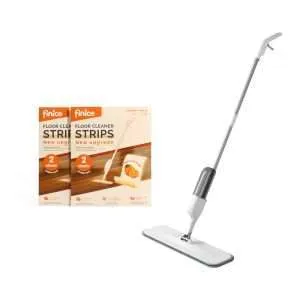
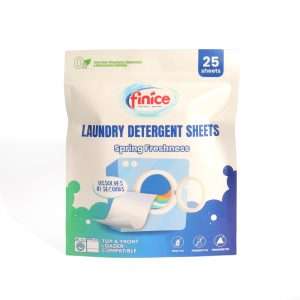
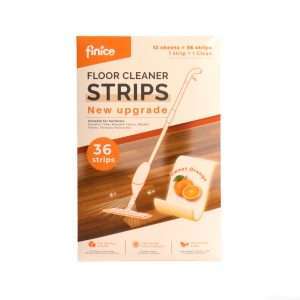
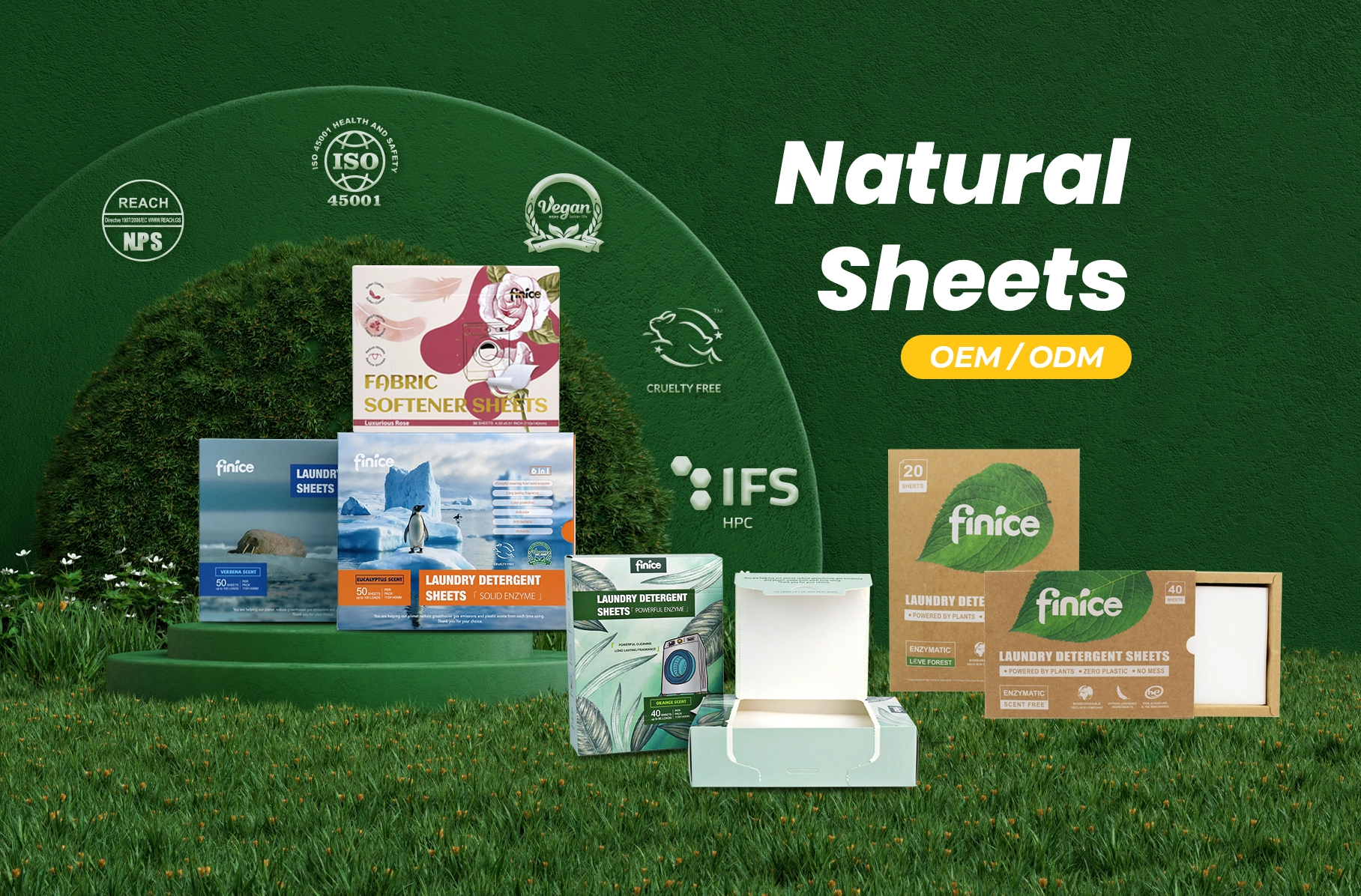
Spotlight: Finice Cleaning – Leaders in Safe, Allergen-Free Cleaning Solutions
Finice Cleaning, a reputable manufacturer of eco-friendly and allergen-free cleaning products, specializes in providing reliable alternatives to harmful preservatives like MIT. Committed to transparency and consumer safety, Finice ensures that all formulations undergo rigorous testing and comply with international allergen and safety standards, delivering peace of mind for businesses and consumers alike.
Explore Finice’s complete line of safe cleaning products, including innovative enzyme-based cleaners, at Finice Cleaning.
Conclusion:
Given rising awareness around methylisothiazolinone dangers2 and increasing regulatory restrictions, transitioning to methylisothiazolinone-free products offers substantial benefits for B2B buyers. Proactively choosing safer formulations helps businesses reduce risk, protect consumer health, maintain regulatory compliance, and strengthen brand reputation.
For forward-looking businesses, prioritizing ingredient safety is no longer optional—it’s a critical strategy for long-term success. Choose wisely; choose safety.