Cleaning products often list Sodium Lauryl Sulfate1 (SLS) as a key ingredient. But what exactly does it do?
Sodium Lauryl Sulfate (SLS) is essential for enhancing the cleaning power of products by breaking down grease and lifting dirt effectively.
I remember the first time I saw SLS on a product label. It sparked my curiosity about its role in cleaning solutions.
How Does Sodium Lauryl Sulfate Enhance Cleaning Efficiency?
Sodium Lauryl Sulfate boosts the cleaning power by breaking down grease and lifting dirt.
When developing cleaning products, I found that SLS plays a crucial role in ensuring effectiveness.
The Science Behind SLS
SLS is a surfactant. It reduces surface tension, allowing water to mix with oil and dirt.
Benefits of SLS in Cleaning
| Benefit | Description |
|---|---|
| Grease Removal | Breaks down oily stains effectively |
| Foaming Agent | Creates foam that helps in cleaning surfaces |
| Enhanced Solubility | Improves the solubility of other ingredients |
Application in Different Products
SLS is versatile. It is used in detergents, shampoos, and pet cleaning products.
Is Sodium Lauryl Sulfate Safe for Consumers and the Environment?
Understanding the safety of SLS is essential for both consumers and manufacturers.
Safety is a top priority when selecting ingredients for our cleaning products.
Consumer Safety
SLS is approved by regulatory bodies. However, it can cause irritation in sensitive individuals.
Environmental Impact
SLS is biodegradable. But excessive use can affect aquatic life. Learn more about SLS’s environmental impact2.
Regulatory Compliance
Ensuring SLS meets local and international safety standards is crucial for market access.
Can Sodium Lauryl Sulfate Be Customized for Different Cleaning Products?
Customization of SLS allows for tailored cleaning solutions to meet specific needs.
Customization has been key to meeting diverse client requirements in our business.
Formulation Adjustments
Adjusting the concentration of SLS can optimize performance for various applications.
Combining with Other Ingredients
SLS can be paired with natural fragrances or additional surfactants3 for enhanced effects.
Case Studies
| Product Type | SLS Customization Example |
|---|---|
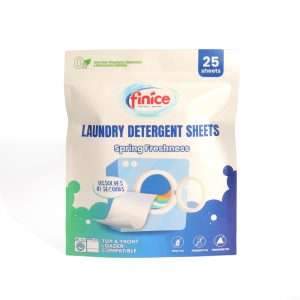
| Laundry Detergent Sheets | Higher SLS concentration for tough stains |
| Pet Shampoo Sheets | Lower SLS levels to ensure gentleness on pets |
What Are the Alternatives to Sodium Lauryl Sulfate in Cleaning Products?
Exploring alternatives to SLS can lead to more sustainable and gentle cleaning options.

Finding the right balance between effectiveness and sustainability is always a challenge.
Common Alternatives
- Sodium Coco-Sulfate: A milder surfactant derived from coconut oil.
- Decyl Glucoside: A non-ionic surfactant that’s biodegradable and gentle.
- Cocamidopropyl Betaine: Often used with other surfactants for enhanced performance.
Pros and Cons
| Alternative | Pros | Cons |
|---|---|---|
| Sodium Coco-Sulfate | Milder on skin, similar effectiveness | Slightly more expensive |
| Decyl Glucoside | Biodegradable, gentle | May require higher concentrations |
| Cocamidopropyl Betaine | Enhances foam, good for sensitive skin | Can cause irritation in some formulations |
When to Use Alternatives
Choosing alternatives depends on the target market and specific product requirements, such as eco-friendliness or hypoallergenic properties.
Conclusion
Sodium Lauryl Sulfate enhances cleaning effectiveness while balancing safety and customization.
This external resource helps readers better understand SLS’s role, its safety, environmental impact, and the customization options available for different cleaning applications, supporting informed decision-making. ↩
This resource provides insight into how surfactants like SLS affect water systems and pollution, which is critical for considering environmental impacts in cleaning products. ↩
This link will help readers understand how surfactants function in cleaning, making it easier to grasp the scientific basis for SLS’s effectiveness. ↩