Introduction: Understanding Ammonia in Commercial Cleaning
Ammonia is a versatile and widely used chemical, but do you truly understand its role in your cleaning products? Many businesses use ammonia without fully realizing its benefits, limitations, and safety considerations.
Ammonia is extensively used in cleaning products due to its powerful degreasing and stain-removing properties, but it’s not suitable for every surface or every cleaning requirement. Understanding ammonia’s uses, effectiveness, and safety can significantly optimize your commercial cleaning strategy.
Before incorporating ammonia-based cleaning products into your inventory or commercial cleaning practices, it’s essential to understand clearly what ammonia is used for and how it functions within cleaning contexts.
What is Ammonia and What Does Ammonia Do?
Ammonia (NH₃) is a colorless gas with a strong, pungent odor composed of nitrogen and hydrogen. Typically available as a liquid solution called ammonium hydroxide, ammonia is widely recognized for its potent alkaline properties, enabling it to break down oils, fats, and stains effectively.
Chemical Properties:
- Highly Alkaline: Breaks down acidic substances such as grease and grime.
- Volatile and Evaporative: Easily evaporates, leaving behind minimal residue.
- Water-soluble: Easily mixed with water for effective cleaning solutions.
Ammonia’s effectiveness comes from its alkaline nature, which neutralizes acids and efficiently breaks down dirt and grease at the molecular level, facilitating effortless removal.
What is Ammonia Used For? Core Cleaning Applications
Commercial ammonia-based products cover a wide range of cleaning tasks due to their powerful degreasing ability and affordability. Here are some primary ammonia uses in cleaning:
1. Glass and Window Cleaning
Ammonia is one of the most common ingredients in commercial glass cleaners. Its ability to evaporate quickly without streaks makes it a popular choice for achieving crystal-clear windows and mirrors.
- Benefits: Removes fingerprints, grime, and oil residue effectively.
- Best for: Commercial buildings, restaurants, hotels, and office spaces.

2. Floor and Tile Cleaning
Due to its strong degreasing properties, ammonia-based products effectively clean kitchen floors, bathroom tiles, and other hard surfaces prone to grease build-up.
- Benefits: Breaks down stubborn dirt and grease quickly, leaving surfaces clean and residue-free.
- Best for: Commercial kitchens, cafeterias, hospitals, and public restroom areas.
3. Oven and Kitchen Equipment Cleaning
Ammonia effortlessly removes baked-on grease and grime from ovens, grills, and cooking equipment, simplifying heavy-duty kitchen cleaning tasks.
- Benefits: Cuts through thick, baked-on layers of grease without significant physical effort.
- Best for: Restaurants, hotels, and catering businesses.
4. Laundry Stain Removal
Ammonia effectively breaks down protein-based stains (blood, sweat, food residues), enhancing commercial laundry operations.
- Benefits: Effectively targets and dissolves tough stains, enhancing overall laundry efficiency.
- Best for: Commercial laundry services, hotels, and healthcare facilities.
Is Ammonia a Disinfectant?
A common misconception among B2B customers is assuming ammonia functions as a disinfectant. However, ammonia alone is not classified as an effective disinfectant. While it excels at cleaning surfaces and removing grime, it does not kill germs, bacteria, viruses, or fungi sufficiently to be considered a disinfectant.
If your business requires disinfection (such as hospitals, schools, or food processing plants), ammonia-based cleaning products should be supplemented with EPA-registered disinfectants or products specifically designed for disinfection.
Advantages and Limitations of Ammonia Cleaning Products
While ammonia-based products offer undeniable cleaning power, there are considerations and limitations businesses should be aware of:
Advantages:
- Cost-effective: Relatively inexpensive compared to other cleaning agents.
- Efficient: Removes stubborn grease, stains, and residues quickly.
- Multi-functional: Suitable for various surfaces and commercial cleaning contexts.
Limitations:
- Harsh Odor: Strong smell may require proper ventilation during use.
- Potentially Irritating: May cause respiratory issues or skin irritation without proper PPE.
- Not suitable for all surfaces: Can damage certain materials like hardwood, marble, or delicate fabrics.

Best Practices for Using Ammonia Cleaning Products Safely
To maximize the benefits and minimize risks associated with ammonia cleaning products, consider the following recommendations:
- Always ensure adequate ventilation in areas where ammonia products are used.
- Use Personal Protective Equipment (PPE), such as gloves and protective eyewear.
- Avoid mixing ammonia-based cleaners with other chemicals, particularly bleach, as this produces toxic fumes.
- Ensure surfaces are compatible with ammonia-based products to avoid damage.

Eco-Friendly Alternatives: Finice’s Commitment to Safe Cleaning
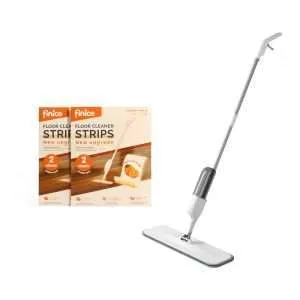
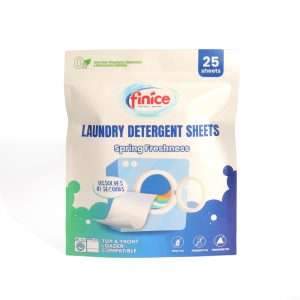
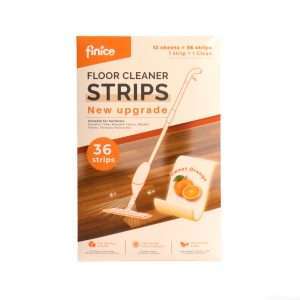
Considering the environmental and health-related challenges associated with traditional cleaning chemicals like ammonia, Finice provides safer, eco-friendly alternatives, leveraging innovative cleaning technologies.
- Bioenzyme Solutions: Products containing enzymes for targeted, efficient, and gentle cleaning.
- Non-Toxic Formulations: Avoids harsh chemicals, reducing risks of skin irritation or respiratory issues.
- Vegan and Cruelty-Free: Ensuring ethical production practices and sustainability.
Finice offers businesses a practical and responsible choice for cleaning, enhancing workplace safety and environmental compliance without sacrificing performance.
Summary Table: Comparing Ammonia and Eco-Friendly Alternatives (Finice)
| Aspect | Ammonia-based Products | Finice Eco-Friendly Products |
|---|---|---|
| Cleaning Efficiency | Very High (Grease and Oil) | High (Stains, Odors, Grease) |
| Surface Compatibility | Limited (Avoid Delicate Materials) | Wide Range, Including Sensitive Surfaces |
| Safety Profile | Requires PPE & Ventilation | Non-toxic, Gentle, Minimal PPE |
| Environmental Impact | Potentially Harmful | Eco-friendly, Biodegradable |
| Odor Level | Strong, Pungent | Mild or Pleasant, No Strong Odors |
| Disinfection Capability | Not a Disinfectant | Some formulas have disinfecting properties |
Conclusion
Understanding what ammonia is used for1 and its role in commercial cleaning allows informed decisions tailored to your business’s specific needs. Ammonia remains a powerful tool for heavy-duty degreasing tasks, glass cleaning, and stain removal but demands careful handling and consideration of its limitations.
Alternatively, exploring eco-friendly, enzyme-based options like those offered by Finice may better align with contemporary business goals of sustainability, worker safety, and broad customer appeal.
Footnote
Explore this link to gain a deeper understanding of ammonia’s applications in cleaning, ensuring you use it effectively and safely. ↩